
Maintenance and Repair of Hydraulic Systems for Agricultural Machinery: Extending Component Lifespan
A professional approach to restoring hydraulic systems helps avoid costly machinery downtime during field operations. Learn why regular diagnostics and timely repair of hydraulic equipment are critical for agricultural enterprises.
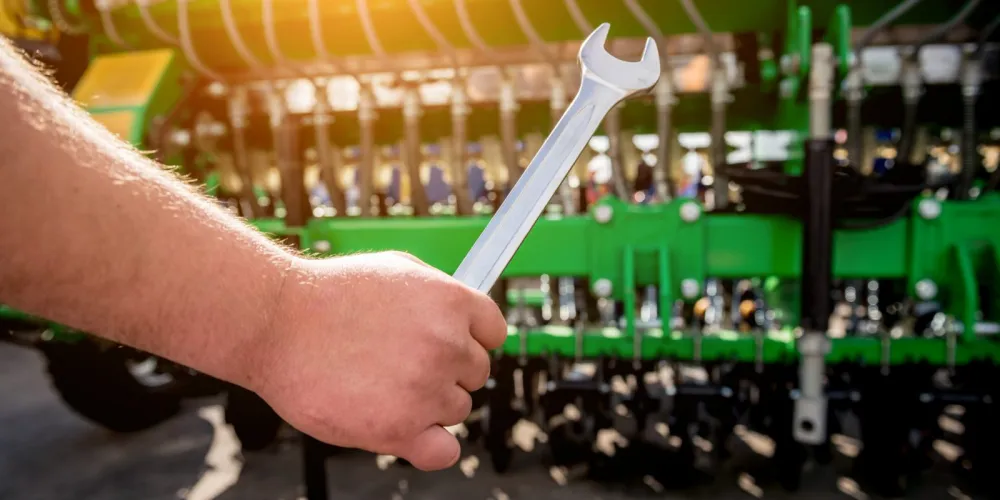
Diagnostics and Key Stages of Restoring Hydraulic System Performance
The effective operation of modern agricultural machinery is impossible without the proper functioning of power units; therefore, timely repair of hydraulic equipment is a necessary condition for ensuring an uninterrupted cycle of field work. The performance of tractors, combines, and trailed implements, as well as the overall safety of operating expensive equipment, depends directly on the precision of hydraulic system settings. Neglecting routine maintenance leads to a cascade failure of components, where minor seal wear triggers pressure drops, hydraulic fluid overheating, and the subsequent failure of expensive hydraulic pumps or distributors. In the conditions of modern intensive farming, every hour of equipment downtime costs the enterprise significant financial losses, making a preventive approach to hydraulic maintenance a strategically important decision.
The process of restoring component functionality begins with comprehensive instrumental defect detection. Qualified specialists measure pressure, check the tightness of lines, and evaluate the condition of filter elements. In the agricultural sector, the load on hydraulics increases manifold due to operation in dusty conditions and constant vibrations, which requires the use of only certified components. Quality restoration of a hydraulic system includes replacing worn plungers, rods, and sealing rings made of high-strength materials capable of withstanding intensive thermal conditions. It is important to understand that using low-quality analogs leads to rapid wear of mating parts and requires repeated intervention by specialists after just a few weeks of active operation.
Optimizing Hydraulic Component Operation in Field Conditions
Proper selection of working fluid is one of the critical aspects determining the durability of hydraulic circuit components. Additives included in modern industrial oils prevent corrosion, reduce friction in sliding pairs, and minimize cavitation processes. If the system exhibits unstable operation of implements, delayed response to control signals, or unusual noises, it is a direct indicator of the need to immediately stop the equipment for a technical audit. Delaying in such situations is fraught with costly capital restoration of the entire system, which may require dismantling all units and cleaning the lines of wear debris.
Regular verification of hydraulic oil cleanliness and timely replacement of filter cartridges according to manufacturer recommendations.
Monitoring the condition of movable connections and the integrity of high-pressure hoses to prevent depressurization.
Monitoring temperature regimes during peak loads to prevent premature aging of rubber products.
Verifying the correct settings of safety valves that limit maximum pressure in circuits.
Systematic inspection of hydraulic cylinder mounting units for the appearance of play and visible signs of wear on the chrome-plated surface of the rods.
Technological Aspects of Precision Restoration
The use of modern restoration technologies allows returning system parameters to factory specifications. The use of precision surface treatment methods and strict adherence to tolerances during assembly guarantee reliable machine operation for a long period. Special attention should be paid to the condition of distribution equipment, as it is responsible for the accuracy of positioning the working bodies of the implements. During operation, it is important to record any deviations, as early diagnosis allows for identifying wear at a stage where complete unit replacement is not yet required, which significantly saves the enterprise's technical fleet maintenance budget. Modern methods of rod grinding and sleeve honing allow for restoring the geometry of parts even in the presence of serious damage to the mirror surface, which is significantly cheaper than purchasing new complete units.
The Importance of Bench Testing and Quality Control
The final stage of any professional service is bench testing of the repaired units. Tests are conducted under conditions simulating real working loads, which allows for confirming tightness, performance, and the correct operation of automation. Only after passing quality control is the equipment released for further operation, giving farmers confidence in the reliability of the machinery throughout the entire intensive season. Evaluating performance parameters under nominal loads allows for detecting hidden defects that are impossible to discover during visual inspection, thereby providing a long-term warranty on the work performed. Investing in professional maintenance is a contribution to the stability of the agribusiness and the minimization of risks associated with unplanned downtime during active sowing or harvesting campaigns.
Innovations in Hydraulic System Operation
The introduction of telemetry systems and oil condition monitoring sensors allows modern farmers to transition from preventive maintenance to condition-based maintenance. Analyzing metal particles in filters provides an understanding of which specific unit is at risk, allowing for pinpoint replacement of worn components before they experience critical failure. Such a responsible attitude toward hydraulic systems extends the service life of agricultural machinery by 30-40% and reduces overall operating costs, ensuring high production profitability in the long term.
Editorial team agronom.info
Materials are prepared by the portal's agronomists and editors. We use only trusted sources: Ukrainian agricultural universities, variety registries, open scientific publications.
Related articles



Not yet comments. Be the first!
Comments · 0