
Diesel or Electric Forklift: Which Is Better for a Farm?
Diesel and electric forklifts perform similar tasks, but they differ in operating principle, maintenance requirements, operating costs, and ease of use. For agricultural businesses, this is especially important because the equipment is often used seasonally, in conditions of dust, temperature…
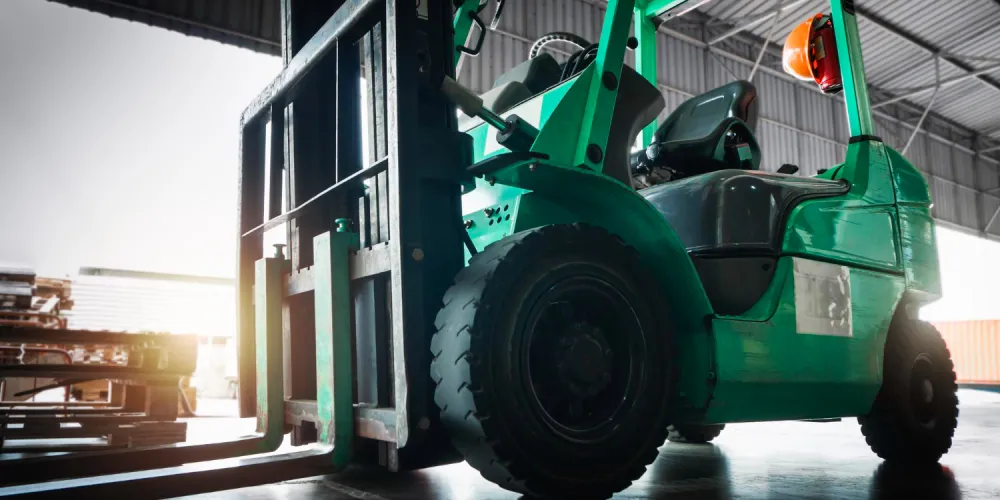
Features of Forklift Operation on a Farm
A farm deals with various tasks: moving pallets with seeds, fertilizers, feed, boxes of vegetables, big bags, containers, equipment, and consumables. When choosing warehouse equipment, it is important to consider not only lifting capacity but also operating conditions, so when comparing models at https://pogruzchiki-ekb.ru/ it is worth determining in advance where exactly the forklift will be used: in a closed warehouse, hangar, greenhouse, open area, or near a grain storage facility.
Diesel and electric forklifts perform similar tasks, but they differ in operating principle, maintenance requirements, operating costs, and ease of use. For agricultural businesses, this is especially important because the equipment is often used seasonally, in conditions of dust, temperature fluctuations, uneven surfaces, and heavy loads.
Diesel Forklift: When It Is More Profitable
A diesel forklift is well suited for farms where the equipment operates outdoors, in the yard, near warehouses, when loading grain, feed, building materials, or heavy pallets. Such equipment is known for its high power, autonomy, and ability to withstand intensive operation.
The main advantage of a diesel forklift is independence from charging infrastructure. It can be quickly refueled and continue working, which is convenient during the harvesting season, goods receiving, or active shipment of products.
- suitable for open areas and well-ventilated premises;
- handles heavy loads confidently;
- does not require long battery charging;
- better withstands dust, dirt, and difficult conditions;
- convenient for seasonal peak loads;
- can be used where there is no stable power supply.
Disadvantages of Diesel Equipment
Despite its reliability, a diesel forklift is not always a universal solution. It should not be used in poorly ventilated enclosed spaces where clean air is important. Fuel, oil, filters, and regular engine maintenance costs should also be taken into account.
If a farm has a small enclosed warehouse where equipment operates near people, products, or packaging, a diesel model may be less convenient. In such conditions, it is important to evaluate not only power but also safety requirements.
Electric Forklift: When It Is Better
An electric forklift is more often chosen for enclosed warehouses, refrigerated rooms, greenhouse complexes, packaging areas, and places where it is important to reduce noise and eliminate exhaust gases. Such equipment operates more quietly than diesel models, is easier to control, and is more comfortable for the operator during daily indoor work.
For a farm, an electric forklift can be a profitable solution if the main tasks are related to moving products inside a warehouse: vegetables, fruits, seeds, seedlings, feed additives, packaging, or finished goods.
Disadvantages of Electric Forklifts
The main limitation of electric equipment is its dependence on the battery and charging area. If the forklift needs to work without long breaks, it is necessary to plan the charging schedule in advance or purchase an additional battery. Electric models may also be less convenient on uneven outdoor surfaces, especially if the surface often becomes dirty, frozen, or muddy.
For a small farm, this is not always a problem, but for a large agricultural enterprise with active seasonal logistics, downtime due to charging can become a serious drawback.
What to Choose for a Warehouse with Grain, Fertilizers, and Feed
If the forklift will work with heavy big bags, pallets with fertilizers, sacks, spare parts, or feed, a diesel model is often more profitable. It is better suited for moving loads outdoors, in hangars, and on areas near warehouses.
If the equipment is needed for careful work inside a clean warehouse where seeds, containers, packaging, vegetables, or finished products are stored, an electric forklift may be a more practical option. It does not pollute the air with exhaust fumes and produces less noise.
Comparison by Key Parameters
Parameter Diesel forklift Electric forklift Best working conditions Open areas, hangars, industrial zones Enclosed warehouses, greenhouses, packaging areas Autonomy High, fuel refueling is enough Depends on battery charge Indoor environmental friendliness Good ventilation is required No exhaust gases Noise Higher Lower Work with heavy loads Well suited Depends on the model and battery Maintenance Requires fuel, oil, filters, engine service Requires battery and charging system control
Which Option Is More Profitable for a Farm
For a farm with open areas, seasonal peak loads, heavy cargo, and active outdoor work, a diesel forklift is often the better choice. It is more durable, easier to operate when there is no charging infrastructure, and more convenient where the equipment must work for a long time without interruption.
For a farm with a modern enclosed warehouse, greenhouse complex, packing line, or product storage facilities, it is better to consider an electric forklift. It is cleaner, quieter, and more convenient for working in confined spaces.
What to Consider Before Buying
Before choosing a model, it is important to consider not only the engine type but also the real tasks of the farm. A mistake at this stage can lead to overpayment, downtime, or inconvenience in daily work.
- what maximum load weight needs to be lifted;
- to what height the forks need to lift;
- where the equipment will operate — inside a warehouse or outdoors;
- what type of surface is on the farm territory;
- whether it is possible to equip a charging area;
- how many hours per day the forklift will operate;
- whether side shift, free lift, or an enclosed cab is needed;
- whether there is nearby service support and available spare parts.
Practical Choice for Different Scenarios
If the farm deals with grain, feed, fertilizers, building materials, or large containers, a diesel forklift will usually be a more universal solution. It is suitable for harsh conditions, intensive loads, and work where an electric forklift may quickly lose efficiency.
If the main task is careful movement of products in an enclosed warehouse, work with pallets in a clean area, greenhouse servicing, or a packaging section, an electric forklift will be a more convenient and safer option.
For large agricultural enterprises, the optimal solution may be a combined equipment fleet: a diesel forklift for outdoor and heavy-duty tasks, and an electric forklift for the warehouse and indoor premises. This approach helps reduce the load on each piece of equipment and makes logistics more flexible.
Editorial team agronom.info
Materials are prepared by the portal's agronomists and editors. We use only trusted sources: Ukrainian agricultural universities, variety registries, open scientific publications.
Related articles
Not yet comments. Be the first!
Comments