
"Yalpuh" and "Danubian Bessarabia": How Two New Geographical Indications Could Shape the Future of Winemaking in the Odesa Region
At the end of 2023, Ukraine officially registered its first geographical indications for wines from Danubian Bessarabia, opening a path for local winemakers toward the European model of protecting product origin.
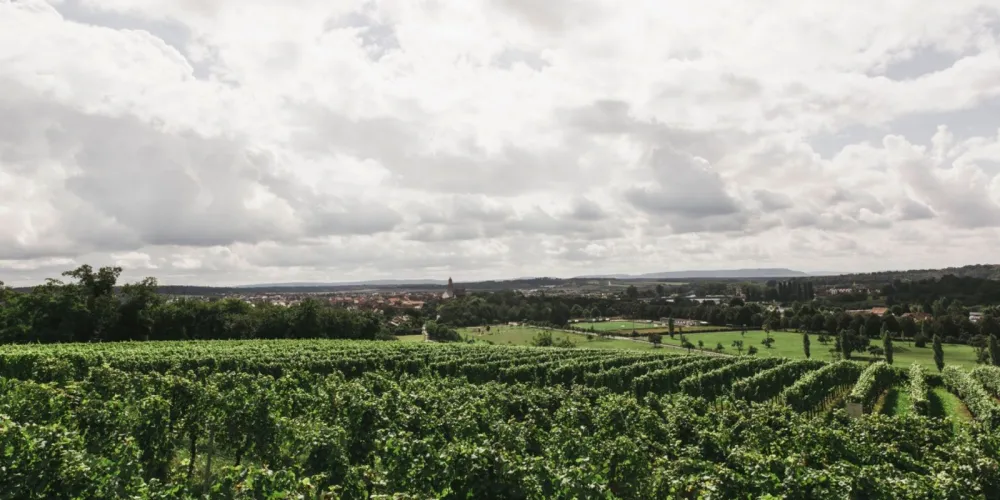
At the end of 2023, Ukraine officially registered its first geographical indications for wines from Danubian Bessarabia, opening a path for local winemakers toward the European model of protecting product origin.
Maryna Kulyk, GI Expert, EU4SmallFarms project
Across Europe, farmers cooperate to improve the quality of their products and increase profits. They work together on sales, create shared production and quality standards, and in this way build common brands. One such path is setting production standards for goods from a specific location or region. These are called "Geographical Indications" (GIs). The specifications for products made according to a geographical indication confirm the special connection between a product and a specific territory, its natural conditions, traditions, and the expertise of its producers. For consumers, a GI provides assurance of a product's origin and its compliance with established requirements, while for producers it is an opportunity to jointly protect the name, increase the value of their product, and tell the world the story of their region.
This article is about the wines bearing the geographical indications "Yalpuh" and "Danubian Bessarabia" — products inextricably linked to the Odesa region in southern Ukraine.
Both geographical indications were officially registered on 20 December 2023: "Prydunaiska Bessarabiya" (still and sparkling wine) under No. 3127, and "Yalpuh" (still wine) under No. 3128.
From Individual Challenges to a Common Cause
The idea of establishing the Public Union "Association of Grape Growers and Winemakers 'Danubian Bessarabia'" developed gradually. Each producer faced their own challenges, but over time it became clear that many of the industry's problems could not be effectively addressed individually.
GI expert Yuliia Prokhoda, the leading specialist on geographical indications at the EU-funded project "EU4Small Farms," shares her experience of engaging local winemakers in the geographical indication system and developing standards for their wine:
"The winemakers of Bessarabia gradually came to understand that the uniqueness of their region could be more than just a beautiful story — it could also be confirmed through a geographical indication system."
At the same time, the "Bessarabia Wine and Taste Road" was developing, bringing together both craft and larger producers from the region and laying the foundation for strengthening the area's appeal as a tourist destination.
Why "Yalpuh"?
Danubian Bessarabia has a unique combination of natural conditions — climate, soils, terrain, and proximity to Lake Yalpuh. It is precisely this combination of factors that shapes the distinctive character of wines produced in the area.
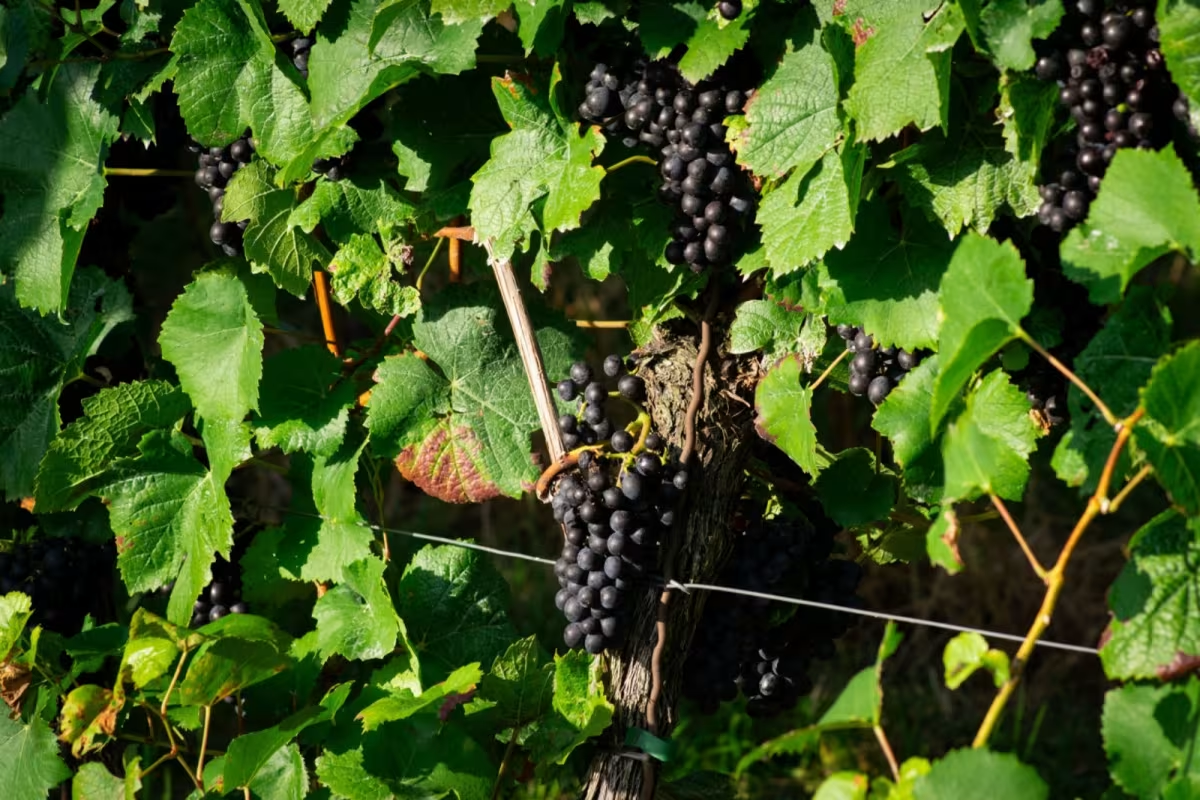
A key defining feature of "Yalpuh" is the use of two unique Ukrainian grape varieties: Odesa Black (Odeskyi Chornyi) and Sukholymanske White (Sukholymanskyi Bilyi). Both varieties were developed by breeders at the National Scientific Center "Tairov Institute of Viniculture and Winemaking." The institute notes that these initial proprietary selections were created between 1948 and 1949.
Thus, "Yalpuh" brings together Ukrainian breeding, the natural characteristics of Bessarabia, and the craftsmanship of local winemakers.
Who Is Already Producing GI Wines?
Today, wines bearing the relevant geographical indications are produced by well-known representatives of the region, including Villa Tinta Winery, Bastardo Winery, and the Kolonist family winery — these three producers currently make up the Association. For many years, Kolonist has been promoting Odesa Black and Sukholymanske White as Ukrainian grape varieties closely connected with the winemaking identity of southern Ukraine.
At the same time, the development of the GI system provides an opportunity for other local producers to join the Association, comply with the requirements of the relevant product specification, and produce wines bearing the geographical indication. This is an important principle: a GI is not an exclusive name belonging to a single producer, but a shared resource of the territory and of producers who comply with the established requirements.
From a Shared Name to Shared Value
Among the Association's key objectives are promoting wine culture in Ukraine, increasing awareness of Danubian Bessarabia, developing sustainable winemaking, preserving local traditions, ensuring product traceability, and bringing Ukrainian winemaking closer to European practices.
Today, the geographical origin is already indicated on the labels of the relevant wines, helping Ukrainian consumers better understand where the product comes from.
At the same time, the full-scale war has significantly limited the region's tourism potential. Restricted access to Danubian Bessarabia has hindered the development of local tourism, while viticulture faces high production costs, a significant reliance on manual labour, and a shortage of workers.
Despite these challenges, a GI can become an important advantage for the international positioning of Ukrainian wine. Foreign importers and buyers are increasingly interested in emerging wine regions, local products, and lesser-known grape varieties with their own distinctive stories and clearly defined geographical origins.
"Yalpuh" Is More Than a Wine Name
For Danubian Bessarabia, the geographical indications "Yalpuh" and "Danubian Bessarabia" represent an opportunity to develop not only winemaking, but also local tourism, gastronomy, and the regional economy. They also provide an opportunity to demonstrate that Ukrainian wine has its own history, its own grape varieties, and its own distinctive places of origin.
"Yalpuh" is a combination of land, water, sun, Ukrainian breeding, and the dedication of winemakers. And it is precisely this story that makes the geographical indication valuable not only for an individual bottle of wine, but for the entire Danubian Bessarabia region.
This is the first article in our series on Ukrainian geographical indications. In the following articles, we will continue exploring producers, traditions, distinctive territorial features, quality control, marketing, and the opportunities that geographical indications create for the development of Ukrainian regions.
Producers from other regions of Ukraine interested in developing their own geographical indication can contact the EU4SmallFarms project at: akisukraine@gmail.com.
This material was prepared within the framework of the EU4SmallFarms project, funded by the European Union.
Editorial team agronom.info
Materials are prepared by the portal's agronomists and editors. We use only trusted sources: Ukrainian agricultural universities, variety registries, open scientific publications.
Related articles


Not yet comments. Be the first!
Comments · 0