
Thalictrum pubescens
Thalictrum pubescens
Description
How to tell it apart
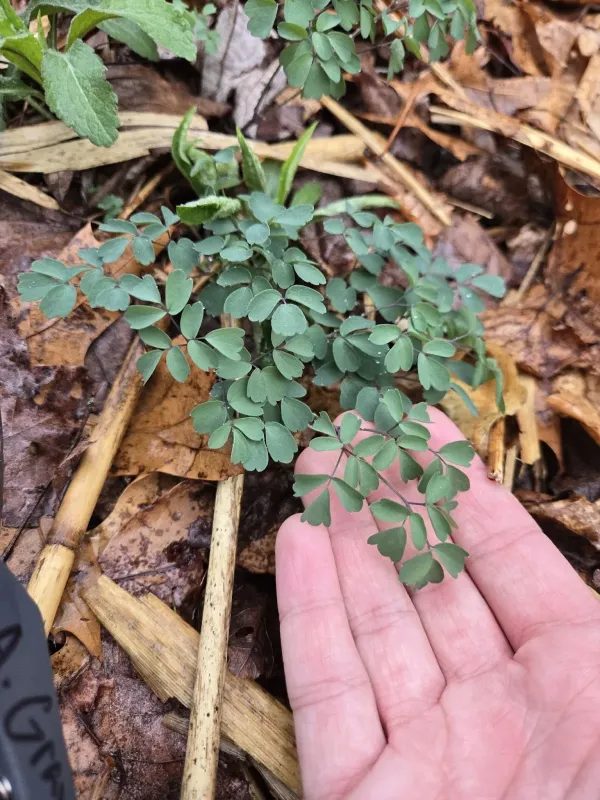
Thalictrum pubescens, commonly known as tall meadow-rue, is a perennial herbaceous plant belonging to the Ranunculaceae family. It is characterized by its tall, erect stem that can reach significant heights and its compound, bi- or tri-pinnate leaves.
A key distinguishing feature is the soft pubescence (fine hair) found on the undersides of the leaflets, which gives the plant its scientific name. The stems are typically ribbed, and the flowers are arranged in dense terminal panicles, appearing fluffy due to the abundance of long, prominent stamens.
The plant features a robust, perennial root system that facilitates vegetative propagation. This underground network allows it to colonize wet areas effectively and recover rapidly from mechanical damage or mowing.
During the flowering season, which occurs in mid-summer, the plant is easily identified by its unique, plume-like inflorescences. This rapid growth cycle enables it to outcompete crops for sunlight and space early in the season.
Thalictrum pubescens exhibits high ecological plasticity, meaning it can thrive in a variety of moisture levels, although it strongly prefers damp, nutrient-rich soils often found in low-lying agricultural regions.
Where it grows
This weed is most frequently found in moist meadows, wetlands, riparian zones, and along drainage ditches. In agricultural settings, it often encroaches upon field edges that border wet landscapes or poorly drained pastures.
It poses a particular threat to forage crops and perennial grasses planted on low-lying land. Once established, it can spread into arable fields if moisture conditions remain favorable for its development.
Abandoned lands and unmanaged areas surrounding farms serve as primary reservoirs for this weed. From these sites, seeds are easily dispersed by wind and water, allowing the population to expand into managed croplands.
The presence of Thalictrum pubescens in a field often acts as a bio-indicator for poor soil drainage, suggesting that the area may require better water management to prevent further weed infestation.
Due to its ability to spread both via seeds and underground runners, it can quickly become a persistent problem in large-scale farming operations, especially near riverine or coastal regions.
Harm it causes
The primary damage caused by tall meadow-rue is direct competition with crops for essential resources like water, light, and soil nutrients. Its rapid growth habit allows it to shade out smaller or slower-growing cultural plants.
As a member of the Ranunculaceae family, the plant may contain toxins that reduce the quality of hay and forage. If harvested along with crops, it can lower the nutritional value and pose health risks to livestock.
Heavy infestations can significantly decrease overall crop yield and interfere with harvesting machinery. The plant's tough, fibrous stems can lead to clogged equipment and slower harvesting speeds.
The presence of dense weed patches creates a microclimate favorable for various plant pathogens and insect pests, which may then migrate to the neighboring crop plants, increasing the demand for chemical control.
Furthermore, the persistent root system depletes soil fertility over time, requiring additional input of mineral fertilizers to maintain the target yield levels for the primary agricultural crops.
How to control
Effective control of Thalictrum pubescens begins with deep tillage, which is necessary to disrupt and exhaust the root system, preventing the plant from regenerating from its underground structures.
Agronomic management includes frequent mowing of infested areas prior to the flowering stage. This action prevents seed set, gradually reducing the weed's seed bank in the soil over consecutive seasons.
Chemical control strategies often involve the use of systemic herbicides, such as those containing glyphosate, applied during active growth periods or on post-harvest fields to reach the roots.
For in-crop control, selective herbicides targeting broadleaf perennial weeds may be utilized, provided they are applied according to safety guidelines to avoid damaging the specific commercial crop.
- Improve drainage in waterlogged field sections.
- Rotate crops to disrupt the weed's life cycle.
- Clear surrounding ditches and non-crop edges of weeds.
- Use tank mixes for improved herbicide penetration and efficacy.
Taxonomy
- Latin name
- Thalictrum pubescens
- Family
- Лютиковые
- EPPO code
- THCPO