
Proserpinaca
Proserpinaca
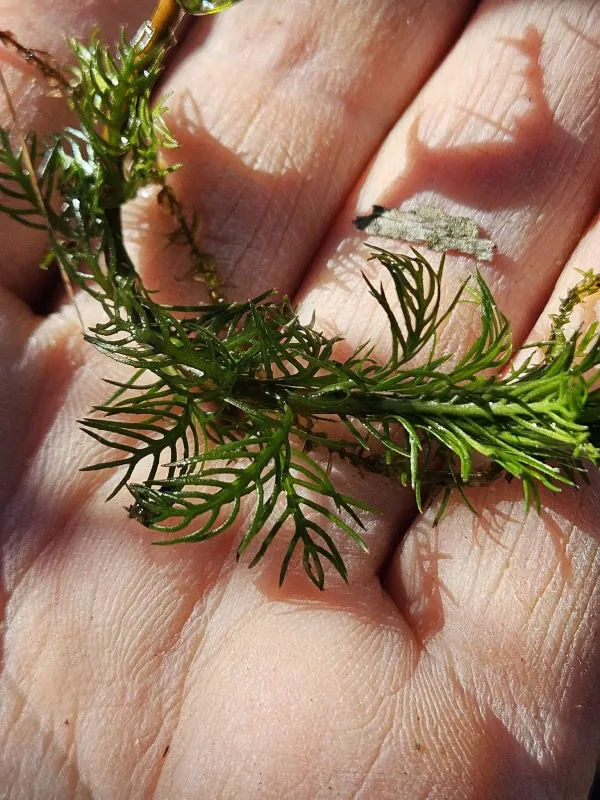
Description
How to tell it apart
Proserpinaca is a genus of perennial herbaceous plants belonging to the Haloragaceae family. These plants are known for their distinct polymorphism, showing varying leaf structures based on whether they are submerged or emergent.
The leaves are typically serrated or comb-like, providing the plant with a unique, feathery appearance that aids in identification among other aquatic vegetation.
Flowers of Proserpinaca are small and inconspicuous, occurring in the leaf axils. They are adapted for efficient reproduction in diverse wetland environments.
The plant possesses a robust root system capable of anchoring deeply in the substrate, which allows it to thrive in various hydrological conditions.
It propagates effectively through both seeds and vegetative fragments, making it a persistent weed in irrigation-dependent agricultural systems.
Where it grows
Proserpinaca is commonly found in wetlands, shallow margins of ponds, slow-moving rivers, and specifically in irrigation canals serving agricultural crops.
It prefers nutrient-rich, saturated soils and is frequently encountered in rice paddies or poorly drained fields where water stagnates.
The plant has a broad ecological tolerance, allowing it to adapt to various water depths and sediment types, expanding its potential range in farmlands.
It is easily spread throughout irrigation networks, where it exploits the steady water flow to colonize new sections of the canal systems.
It thrives in temperate to tropical climates, often becoming a dominant species in disturbed aquatic habitats where competition is limited.
Harm it causes
The primary agricultural impact of Proserpinaca is the obstruction of irrigation channels, which significantly reduces water transport efficiency to crops.
In rice cultivation, it competes directly for space, sunlight, and soil nutrients, leading to substantial reductions in crop yield and quality.
Dense mats of this weed impede water circulation and create stagnant zones that may harbor pests and pathogens harmful to agricultural productivity.
Mechanical harvesting of crops becomes more difficult and costly due to the presence of dense aquatic vegetation debris that clogs machinery.
The plant contributes to the rapid siltation of irrigation ditches, necessitating expensive and frequent mechanical maintenance to restore proper water flow.
How to control
Agronomic management begins with regular maintenance of drainage and irrigation ditches, including manual or mechanical removal of weeds before seed maturity.
Water level management is a crucial control strategy; periodic drying of field channels can effectively inhibit the growth of Proserpinaca populations.
Chemical control involves the use of aquatic-approved herbicides, provided they are applied in accordance with strict environmental regulations.
- Routine dredging and mechanical clearing of drainage channels.
- Crop rotation with upland varieties that tolerate dry soil conditions.
- Utilization of specialized tools to minimize manual labor in weed removal.
An integrated strategy combining hydrological regulation, mechanical intervention, and targeted chemical applications provides the most sustainable control.
Taxonomy
- Latin name
- Proserpinaca
- Family
- Сланоягодниковые
- EPPO code
- PPQSS