
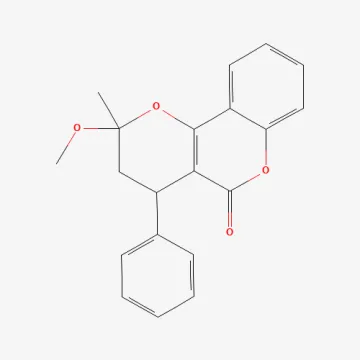
Pyranocoumarin
Description
Mode of action
Pyranocoumarins are a chemical class of compounds classified as second-generation anticoagulants. Unlike first-generation derivatives, they possess increased biological activity, which allows them to effectively suppress pest activity even after a single ingestion of the bait.
Their mechanism of action is based on blocking the vitamin K1 epoxide reductase enzyme. This leads to an impairment of the synthesis of blood clotting factors in the liver, which inevitably causes internal hemorrhaging.
Substances of this group are characterized by a cumulative effect. Even after contact with the bait ceases, metabolic processes in the pest's organism remain impaired for a prolonged period.
Due to high lipophilicity, pyranocoumarins are capable of rapidly penetrating biological membranes. This ensures a high rate of distribution of the active substance within the tissues and organs of the target object.
The efficacy of this group is due to the absence of immediate poisonous action. Rodents do not associate the death of their kin with the consumption of the bait, which allows for successful deratization measures even in populations with high levels of wariness.
What it targets
This group of substances is used exclusively as a rodenticidal agent. The main target objects are synanthropic rodents, such as house mice and brown rats.
They are applied for controlling pest populations in storage facilities, grain silos, and processing plants. They are also effective for protecting territories adjacent to agricultural land.
Pyranocoumarins are capable of affecting rodent populations that have developed resistance to warfarin and other first-generation anticoagulants.
Preparations based on pyranocoumarins are effective against species inhabiting intensive agricultural environments, where the risk of grain and feed spoilage is highest.
The application of these substances allows for a significant reduction in economic losses caused by rodents damaging seed material, finished products, and equipment.
Rates and timing
Dosage of the preparations is calculated based on the total mass of the bait and the concentration of the active ingredient. Usually, ready-made forms contain between 0.005% and 0.05% of the active substance.
The timing of bait placement depends on the period of highest pest activity. In storage facilities, deratization is carried out preventively or at the first signs of activity traces.
Baits are placed in specialized containers in areas of rodent concentration, along walls, and along their movement paths. The frequency of checking bait stations ranges from 3 to 7 days.
If bait consumption is observed, fresh portions must be replenished in a timely manner until the pest activity ceases completely.
To prevent habituation and overcome resistance, it is recommended to alternate preparations based on pyranocoumarins with other groups of anticoagulants within integrated protection programs.
Restrictions
The main limitation is the high risk to non-target species, including pets and wild birds. Access to baits must be strictly restricted.
It is forbidden to scatter baits in an open manner to exclude contact with beneficial animals. The use of special lockable deratization stations is mandatory.
Working with pyranocoumarins requires the mandatory use of personal protective equipment, such as gloves, laboratory coats, and respirators, to prevent the bait dust from coming into contact with the skin.
Carcasses of dead rodents must be disposed of via deep burial or incineration, as they contain residual amounts of highly toxic substances.
The use of these preparations is not allowed in the immediate vicinity of drinking water sources or food storage areas without proper packaging and control.
Status in the European Union
Not approved in the EU
- CAS number
- 518-20-7
- Category (EU)
- RO - Rodenticide
EU status is for reference only and does not replace national registration in your country.