
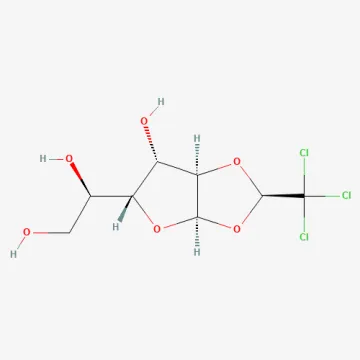
Chloralose
Description
Mode of action
Chloralose (alpha-chloralose) is a chemical compound classified as a chlorinated carbohydrate derivative, widely utilized in specialized pest control applications.
The primary mechanism of action involves the suppression of the central nervous system in rodents. Upon ingestion, the substance induces a state of profound sleep or stupor in the target organism.
The physiological effect is characterized by a significant reduction in metabolic rate and heart rate, which prevents the animal from maintaining its body temperature.
Unlike anticoagulants, chloralose acts rapidly by inducing hypothermia. This swift onset of action ensures that pests become immobilized and perish within a short period.
Its efficacy is highly temperature-dependent, showing optimal results in cold environments, which makes it a preferred solution for winter pest control in stored agricultural products.
What it targets
Chloralose is primarily used for the control of small rodents, specifically the house mouse (Mus musculus), which can pose significant threats to agricultural storage facilities.
It is effectively deployed in closed environments such as grain elevators, barns, storage sheds, and industrial warehouses where crop protection is critical.
The main objective is to prevent damage to stored grains, seeds, and animal feed, ensuring that agricultural stocks remain uncontaminated by rodent activity.
Due to its specific dosage requirements, chloralose is less effective against larger rodents, such as rats, and is generally restricted to mouse control programs.
The substance serves as an essential tool for minimizing post-harvest losses when infestation levels in closed structures need to be mitigated quickly.
Rates and timing
Application of chloralose requires precise formulation, with standard active ingredient concentrations typically ranging between 2% and 4% in the bait base.
Bait stations should be placed strategically along rodent runs, near burrows, and in areas where signs of activity have been observed, ensuring they are inaccessible to non-target animals.
The timing of the application is crucial; it is most effective in cool conditions, where the reduction of body temperature in rodents leads to rapid mortality.
Operators should perform regular inspections of bait points to monitor consumption rates and remove carcasses to maintain sanitary conditions.
Dosage rates depend on the degree of infestation and the volume of the facility being treated, requiring a professional assessment before application.
Restrictions
Handling chloralose involves significant safety protocols; operators must wear protective equipment, including gloves and respirators, to prevent accidental exposure.
The substance is strictly prohibited for use in residential areas, kitchens, or any location where humans or companion animals might come into direct contact with it.
Great care must be taken to prevent secondary poisoning, as carcasses can be lethal to birds of prey or other scavengers if not collected and disposed of properly.
Strict environmental and safety compliance is required, including adherence to local regulations regarding the use of rodenticides and pesticide application standards.
Users must be aware of the high toxicity risks and ensure that all bait materials are secured and recorded according to standard pest management practices.
Status in the European Union
Not approved in the EU
- CAS number
- 15879-93-3
- Category (EU)
- RO - Rodenticide
EU status is for reference only and does not replace national registration in your country.