
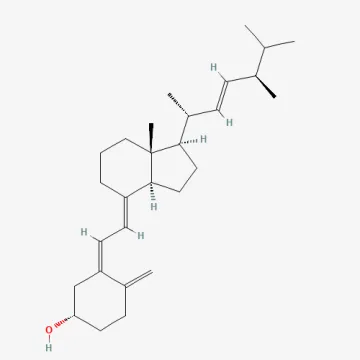
Calciferol
Description
Mode of action
Calciferols, including ergocalciferol (D2) and cholecalciferol (D3), are substances with high biological activity. In agriculture, they serve as cumulative rodenticides that disrupt calcium metabolism in pests.
The mechanism of action involves disturbing the calcium balance, leading to hypercalcemia. Once ingested, the active ingredient triggers an uncontrolled rise in blood calcium levels.
Excess calcium causes the calcification of soft tissues, including blood vessels, kidneys, and the heart. This leads to irreversible organ damage and the eventual death of the animal.
A key feature is the delayed effect: poisoning symptoms develop over several days, which prevents bait shyness and ensures the entire colony is affected.
This property makes calciferols a powerful tool against rodent populations that have developed resistance to traditional blood anticoagulants.
What it targets
This group of substances is used to control various rodent species that threaten agricultural crops and stored grain.
The primary targets include house mice, rats (brown and black), and voles that frequent storage facilities and agricultural sites.
These preparations are highly effective in scenarios where rodents have shown resistance to common anticoagulant poisons.
They are primarily applied in closed environments such as silos, grain warehouses, and vegetable storage facilities to prevent direct consumption and damage.
Using calciferols helps mitigate economic losses and reduces the spread of dangerous infectious diseases carried by rodents.
Rates and timing
Application rates depend on the concentration of the active ingredient in the bait and the specific requirements of the treatment area.
The products are usually formulated as ready-to-use baits placed in areas of high pest activity.
The duration of action ranges from 3 to 7 days until symptoms manifest, making consistent bait availability at feeding points crucial.
Baits should be replenished regularly to ensure pests receive a lethal dose, which is necessary for the cumulative effect to work.
Ongoing monitoring of rodent activity is recommended to adjust bait station placement and improve the overall efficiency of the deratization process.
Restrictions
The main safety requirement is to prevent access by pets, livestock, and non-target wildlife, as calciferol is toxic to them.
All handling of these rodenticides must be performed using personal protective equipment for the skin and respiratory system.
Baits must be stored in secure, locked containers or placed in areas completely inaccessible to humans and animals.
Contamination of water sources and food intended for human or animal consumption must be strictly avoided.
- Store in tightly sealed containers.
- Dispose of residues according to safety regulations.
- In case of skin contact, rinse thoroughly with water.
Status in the European Union
Not approved in the EU
- CAS number
- 50-14-6
- Category (EU)
- RO - Rodenticide
EU status is for reference only and does not replace national registration in your country.