
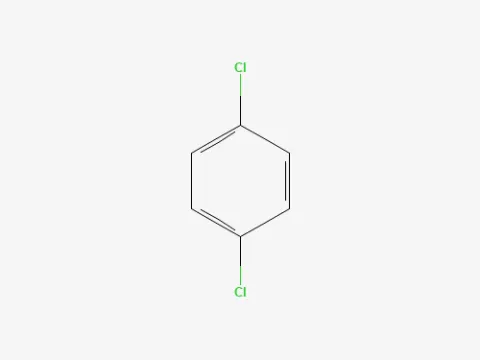
p-Dichlorobenzene
Para-dichlorobenzene is a chlorinated aromatic hydrocarbon used primarily as a fumigant. Its insecticidal activity is based on sublimation, where the solid chemical turns into gas at room temperature.
What the section contains
p-Dichlorobenzene
These vapors act through the respiratory system of insects, causing paralysis and death. Because it is a gas, it is highly effective in confined areas where it can fill the entire volume of a space.
The success of the treatment depends on the airtightness of the storage facility. The gas reaches even the most hidden cracks and crevices, ensuring a comprehensive coverage of the infested zone.
The speed of action is a major advantage, as the saturation of the atmosphere with vapors happens relatively quickly. However, the effect is short-term unless the concentration is maintained.
It acts as a non-contact fumigant, meaning the insects do not need to walk across a treated surface, as they absorb the toxic vapors directly through their spiracles.
Para-dichlorobenzene is mainly employed to control stored product pests in warehouses and storage facilities. It is particularly useful for protecting non-food organic materials from damage caused by various insect species.
It is effective against pests that damage stored textiles, wool, and museum specimens, as well as specific beetles that infest dry agricultural goods in empty storage conditions.
Regular use in empty storage areas helps to suppress populations of pests before the introduction of new harvested goods, acting as a preventative measure.
- Clothes moths
- Carpet beetles
- Grain weevils
- Drugstore beetles
The target range is specific to species sensitive to dichlorinated compounds, requiring correct pest identification before initiating any treatment protocols.
Safety is the primary concern when using para-dichlorobenzene due to its toxicity to humans. Proper personal protective equipment, especially respiratory protection, must be worn at all times during application.
Direct application on food products is prohibited, as the chemical can leave residues and a strong odor that makes goods unsuitable for human consumption.
Thorough ventilation of treated spaces is mandatory before anyone enters the area. Adequate time must be allowed for complete degassing to ensure the atmosphere is safe for personnel.
The substance can react with certain types of plastics and synthetic polymers, potentially damaging storage equipment or containers. Always check the compatibility of materials before exposure.
Current agricultural regulations strictly limit the use of this substance in favor of more modern, environmentally friendly pest control methods. Compliance with regional safety standards is essential.