Description
Mode of action
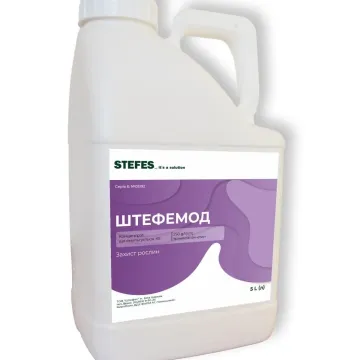
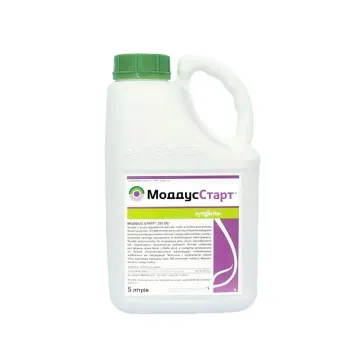
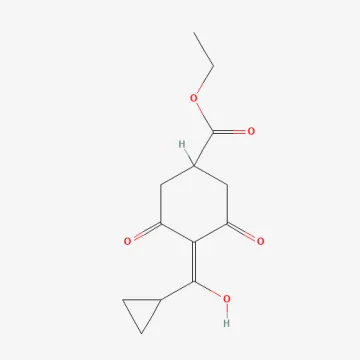
Trinexapac-ethyl belongs to the cyclohexanecarboxylic acid chemical class and functions as a highly effective plant growth regulator, specifically a retardant.
Its mechanism of action involves inhibiting the enzyme 3-beta-hydroxylase, which is responsible for the late stages of gibberellin biosynthesis.
A reduction in active gibberellin levels in plant tissues leads to a slowdown in cell division and elongation within the stem internodes.
As a result of this effect, the length of the lower internodes is reduced, making the stem significantly stronger and more resistant to mechanical stress.
The product moves systemically throughout the plant, being absorbed primarily by the assimilating organs to provide a uniform growth suppression effect.
What it targets
The primary purpose of Trinexapac-ethyl is to prevent crop lodging, particularly in high-yielding agricultural production systems.
The product is widely used on cereal crops, including winter and spring wheat, barley, rye, and oats.
By influencing plant morphology, the substance encourages better root system development, which increases the crop's tolerance to drought.
The use of this retardant allows plants to thrive in dense stands by ensuring optimal light penetration within the canopy.
In specific cases, the product may be used in professional turf management and landscaping to suppress vertical grass growth.
Rates and timing
Application rates of Trinexapac-ethyl strictly depend on the crop species, cultivar, target yield level, and prevailing weather conditions.
The optimal application window falls during the stem elongation stage (from tillering to the beginning of jointing, BBCH stages 30–32).
Applying the product too early can lead to excessive growth suppression, while late application may reduce its efficacy on the lower internodes.
It is recommended to apply the product in tank mixes with fungicides or herbicides, provided this complies with the manufacturer's product labels.
When planning dosages, it is essential to consider soil moisture availability, as severe drought can significantly reduce the regulator's performance.
Restrictions
Trinexapac-ethyl must not be applied to weakened crops suffering from frost, pest damage, or severe moisture deficiency.
Applications during periods of extreme heat should be avoided, as this can induce unnecessary stress in the cultivated plants.
It is crucial to strictly follow regulations regarding the number of treatments per season to avoid negative impacts on ear development and yield parameters.
When handling the product, it is vital to use personal protective equipment for the skin and respiratory tract as specified by the manufacturer.
Storage must be maintained in the original packaging, kept away from fire sources, and protected from direct sunlight.
Content graph
Connections · Trinexapac-ethyl
Most often together:
Marketplace
Products · 18