
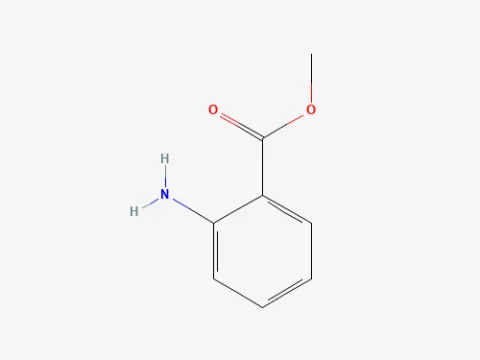
Methyl Anthranilate
Methyl anthranilate is a chemical compound commonly used as a flavoring agent in foods and beverages, known for its distinct grape-like scent. In agriculture, it serves as a non-toxic, sensory-based bird repellent.
What the section contains
Methyl Anthranilate
The substance functions by irritating the trigeminal nerve in birds when they come into contact with treated surfaces or inhale the vapors. This experience is highly unpleasant for birds but causes no lasting physical injury, prompting them to avoid the treated area.
By creating a strong negative association with the treated crop, methyl anthranilate acts as an effective deterrent, reducing bird feeding activity without harming the local ecosystem.
The compound is typically applied as a spray. Because it is volatile, it creates an aromatic barrier that birds find repellent, which is highly effective in field conditions where birds rely on their sense of smell to locate food.
As a widely recognized food-grade additive, it is considered safe for both humans and the environment when applied according to the manufacturer's guidelines, making it a sustainable choice for integrated pest management.
Methyl anthranilate is primarily used to deter various avian species that cause economic damage to crops, including starlings, blackbirds, pigeons, geese, and gulls.
It is widely applied in high-value agricultural settings, such as corn fields, sunflower plantations, vineyards, and fruit orchards, where birds often damage ripening crops.
The chemical is also frequently used in aquaculture to prevent fish-eating birds from entering commercial fish ponds, thereby protecting the fish population from significant losses.
Beyond traditional farming, it is a key tool for airport safety management, where it is used to deter birds from runways and taxiways to prevent dangerous bird-strike incidents during flight operations.
The effectiveness against specific bird species may vary based on local populations and the availability of alternative food sources, requiring integrated approaches in some areas.
Application rates for methyl anthranilate are strictly determined by the formulation and the crop being treated. It is essential to achieve a concentration level that is perceptible to birds while remaining economical for the grower.
Applications should ideally be timed just before the onset of the damage period, allowing farmers to discourage bird flocks from establishing feeding habits on the property.
Repeated applications may be necessary depending on climatic factors such as high heat or rainfall, which can accelerate the degradation or wash-off of the active repellent component.
Uniform coverage is critical during the spraying process to ensure there are no untreated "entry points" where birds could start feeding undisturbed.
Monitoring the intensity of bird visits after treatment is recommended to determine the optimal timing for maintenance sprays throughout the ripening season.
A primary limitation of this substance is its volatility; high ambient temperatures and strong winds can significantly shorten its effective duration in the field.
Although it is safe, operators must wear appropriate personal protective equipment to prevent direct contact with concentrated forms of the chemical, which can cause skin and eye irritation.
Storage must be in a cool, dark place away from fire hazards, as improper handling can lead to chemical degradation or fire risks depending on the specific mixture.
Large-scale applications near residential areas may trigger complaints due to the strong, pervasive grape-like scent, requiring good communication with neighbors.
Users should avoid exceeding recommended dosages, as excessive accumulation on produce can lead to off-flavors and may potentially cause phytotoxic stress in sensitive young plants.