
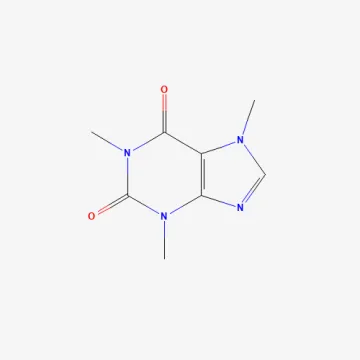
Caffeine
Description
Mode of action
Caffeine serves as a natural alkaloid that functions as an effective neurotoxin against various agricultural pests, providing a bio-based approach to plant protection.
The substance interferes with the neurological functions of insects by blocking specific receptors, causing uncontrollable hyperactivity and paralysis.
Beyond its insecticidal properties, caffeine acts as a powerful deterrent, preventing pests from feeding on treated plant tissues and reducing overall damage.
Scientific studies indicate that caffeine can disrupt the metabolic cycles of certain fungal pathogens, thereby providing a dual-action effect.
As a biodegradable compound, caffeine offers a sustainable alternative to synthetic chemicals, minimizing environmental footprint in intensive farming systems.
What it targets
The primary targets for caffeine-based treatments include a wide range of leaf-feeding insects and soft-bodied pests that damage crop productivity.
It is particularly effective against various larvae stages of beetles and moths that threaten the vegetative health of greenhouse and field crops.
Caffeine is also utilized in managing aphid populations, which are significant vectors for various plant viral diseases in vegetable production.
In some agricultural practices, it is applied to seeds or soil to provide initial protection against subterranean pests during germination.
- Chewing insects (leaf feeders).
- Aphids and sucking pests.
- Seed-damaging soil pests.
Rates and timing
The dosage rates for caffeine application are carefully calibrated based on the specific pest density and the developmental stage of the crop.
Application timing is crucial, with treatments recommended at the first signs of infestation to prevent the pest population from reaching economic thresholds.
Frequent applications may be necessary in high-pressure scenarios, though intervals are adjusted to account for the degradation of the substance.
Uniform spray coverage is essential for optimal performance, ensuring the alkaloid reaches the underside of leaves where many pests reside.
Monitoring the residual presence of the substance is recommended to ensure efficacy while maintaining safety standards for the final harvest.
Restrictions
A primary limitation when using caffeine is its potential impact on beneficial insects, particularly pollinators like honeybees, which requires careful scheduling.
Avoid applying the product during peak flowering periods to minimize exposure risks to non-target species vital for ecosystem health.
Personnel handling the concentrated material must strictly adhere to safety protocols, including the use of protective gear to avoid skin and eye contact.
Storage conditions must be strictly controlled, keeping the product in cool, dark environments to prevent chemical decomposition of the active molecule.
Regulatory compliance regarding the maximum residue limits must be verified for specific crops before initiating large-scale treatment programs.
Status in the European Union
Not approved in the EU
- CAS number
- 58-08-2
- Category (EU)
- OT - Other treatment
EU status is for reference only and does not replace national registration in your country.