
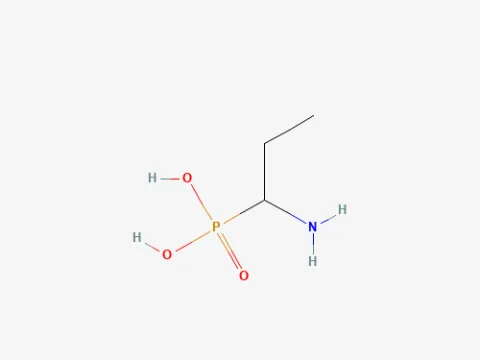
Ampropylfos
Ampropylphos belongs to the class of organophosphorus compounds and functions as a systemic herbicide. Its molecules can penetrate through leaf surfaces and the root system, spreading rapidly throughout the plant's xylem and phloem.
What the section contains
Ampropylfos
The primary mechanism of action involves blocking specific enzymatic processes responsible for the synthesis of vital amino acids. This leads to the cessation of cell division at growth points and the subsequent death of the weed.
Unlike contact preparations, Ampropylphos exhibits pronounced systemic activity. This property allows it to reach even the hidden tillering nodes of perennial weeds, ensuring deep suppression of the root system.
The preparation inhibits the metabolism of weeds at early developmental stages, making it highly effective when applied to actively growing plants. The impact on weed physiology begins just a few hours after treatment.
High selectivity is achieved through the metabolic features of crop plants, which are capable of detoxifying the Ampropylphos molecule into safe compounds, while weeds perish.
The Ampropylphos group is primarily used to control a wide spectrum of annual and perennial broadleaf weeds. The substance demonstrates particular effectiveness against stubborn root-sprouting species.
Application of the preparation is advisable in cereal crop fields, such as wheat and barley. It allows for the cleaning of fields from competitors during the crop tillering phase, when plants are most vulnerable.
Ampropylphos is also effective against weeds of the Amaranthaceae, Polygonaceae, and Brassicaceae families. In some cases, the group is used to control species that have developed resistance to other herbicide classes.
- Cirsium arvense (Canada thistle)
- Centaurea species
- Chenopodium album
- Polygonum species
- Capsella bursa-pastoris
Systemic action allows effective control of weeds, even when they are under moderate stress, which is important for maintaining field cleanliness in unstable climatic conditions.
The application rates of Ampropylphos depend directly on the developmental stage of the weeds and the degree of field infestation. On average, standard dosages are recommended to ensure full coverage of the leaf surface.
Optimal timing for application is the active growth phase of weeds, when they have a developed leaf rosette. Delaying treatment leads to reduced efficacy, as overgrown weeds are harder to subject to systemic influence.
An important factor for success is the use of high-quality surfactants (adjuvants) that improve leaf wetting. This allows the active substance to penetrate the cuticular layer more quickly.
When working with the preparation, it is important to consider the temperature regime: the effectiveness of the action is most stable at air temperatures between +15 and +25 degrees Celsius.
Treatment is not recommended if there is a high probability of precipitation within the next 4-6 hours, as this may lead to partial washing of the active substance from the leaves.
Ampropylphos requires strict adherence to safety precautions. Working with this substance is permitted only when using personal protective equipment for skin, respiratory, and eye protection.
It is strictly prohibited to carry out treatment near water bodies and apiaries, as the preparation may exhibit toxicity to aquatic organisms and beneficial insects if usage regulations are violated.
Crop rotation is another limitation: the residual effect of the preparation on subsequent crops must be considered. In most cases, Ampropylphos is characterized by moderate soil persistence, requiring control during crop planning.
It is not recommended to use the preparation in tank mixtures with growth regulators unless confirmed data on chemical compatibility exist, to avoid phytotoxicity to the main crop.
Storage of the preparation must be carried out in specialized warehouse facilities while maintaining the temperature regime, excluding access for unauthorized persons and domestic animals.