
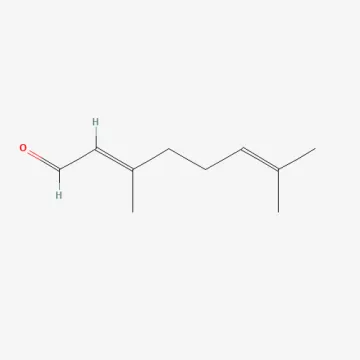
Citral
Description
Mode of action
Citral is an acyclic monoterpene aldehyde found in the essential oils of various plants, including lemongrass and melissa. In agriculture, it is classified as a botanical biopesticide, recognized for its strong repellent and fumigant properties.
The mechanism of action involves disrupting the nervous system of pests through direct contact or vapor inhalation. It causes behavioral disorientation, inhibits feeding, and leads to rapid mortality by damaging cell receptors and membranes.
Citral exhibits phytosanitary properties, preventing the colonization of plant surfaces by pathogenic microorganisms. It is highly biodegradable and does not persist in the soil, making it an environmentally friendly choice for pest management.
The substance often acts as a synergist for other biopesticides, enhancing the overall efficacy of treatment programs. It is a vital tool in organic and sustainable farming as a natural alternative to synthetic chemical pesticides.
Due to its high volatility, citral is particularly effective in enclosed environments, creating an inhospitable atmosphere for pests while maintaining low toxicity to mammals and beneficial vertebrates.
What it targets
Citral is effective against a variety of pests that threaten stored products and greenhouse crops.
- Aphids (Aphididae)
- Greenhouse whitefly
- Stored grain pests
- Tetranychidae (spider mites)
Additionally, it shows moderate antifungal activity, suppressing the growth of certain molds and storage rots on harvested agricultural commodities.
Rates and timing
The application rates of citral-based products vary depending on the concentration of the active ingredient and the specific pest control method used.
For greenhouse aerosol applications, solutions typically contain between 0.5% and 2% of the active substance, adjusted according to the infestation pressure.
In warehouse applications, dosage is calculated based on the total volume of the area to ensure the maintenance of effective vapor concentrations.
Applications should be timed for early morning or evening to minimize degradation caused by intense solar radiation and UV exposure.
Due to the rapid breakdown of terpene-based compounds, sequential treatments every 7–10 days are generally required to ensure consistent protection.
Restrictions
The main limitation is the relatively short duration of protection in open fields, as the substance volatilizes and degrades quickly under sunlight.
When used in greenhouses, environmental control is essential, as excessive heat can lead to a rapid loss of the active ingredient before it can effectively treat the target pests.
High concentrations of citral can be phytotoxic, potentially causing leaf burns; therefore, precise adherence to product labels is mandatory.
Operators must wear appropriate personal protective equipment to prevent skin and respiratory irritation when handling concentrated formulations.
Products must be stored in cool, dark environments using airtight containers to prevent oxidative degradation and maintain stability.
Status in the European Union
Not approved in the EU
- CAS number
- 5392-40-5
- Category (EU)
- AT - Attractant
EU status is for reference only and does not replace national registration in your country.