
Description
Mode of action
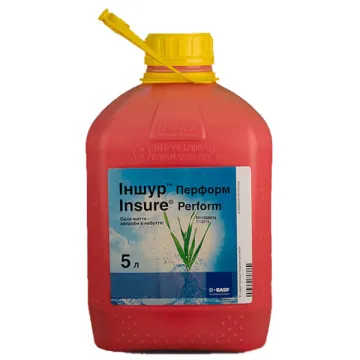
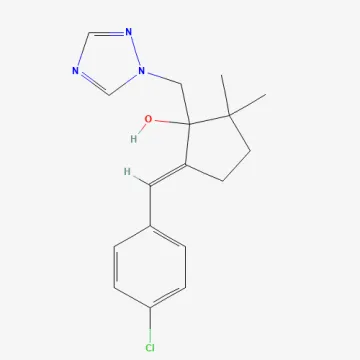
Triticonazole belongs to the triazole chemical class and is a systemic fungicide with a broad spectrum of activity. The substance effectively penetrates the seed and translocates through the developing seedling, providing long-lasting protection against pathogens.
The mechanism of action involves the inhibition of ergosterol biosynthesis in fungal cells. Ergosterol is a vital component of fungal cell membranes, and its absence prevents the development of fungal mycelium.
Unlike many other azoles, triticonazole is characterized by high selectivity and low phytotoxicity toward cultivated plants. This allows for safe use during early growth stages without causing growth inhibition or seedling deformities.
The substance exhibits both curative and preventive properties. It effectively blocks infections present on the surface or inside the seed, preventing their further spread into the soil environment.
The systemic action of triticonazole ensures protection not only for the seed itself but also for the seedling's tillering node. This is critical during the germination stage, when plants are most vulnerable to soil-borne pathogens.
What it targets
Triticonazole is primarily used for seed treatment in cereal crops, including winter and spring wheat, barley, and rye. It is also found in combination products used for maize and other cereal protection.
The preparation demonstrates high efficacy against a wide range of seed-borne and soil-borne pathogens. Its main targets include various types of smut diseases: common bunt, loose smut, and dwarf bunt.
Beyond smut diseases, triticonazole suppresses the development of root and foot rots. It is effective against Fusarium and Helminthosporium root rots, which often lead to thin and uneven crop stands.
Additionally, the fungicide helps control seedling septoria and certain types of seed mold that emerge under high-humidity conditions during storage or sowing in cold soil.
- Common bunt (Tilletia spp.)
- Loose smut (Ustilago spp.)
- Fusarium root rot
- Helminthosporium root rot
- Seed mold
Rates and timing
The application rate of the active ingredient depends on the specific formulation, the level of seed infection, and the overall phytosanitary load. Typically, the concentration of triticonazole in seed treatments ranges from 20 to 80 grams per liter of the product.
Seed treatment is carried out either well in advance or immediately before sowing using professional seed treating equipment. Achieving uniform coverage across the entire surface of each seed is essential for performance.
When preparing the working solution, it is necessary to follow the manufacturer's recommendations regarding the total volume of water required for proper seed coverage. Excessive rates may negatively affect seed germination energy.
There is no pre-harvest interval (PHI) for treated seeds, as the substance is consumed during the early stages of plant development and does not accumulate in the harvested grain.
It is recommended to use only cleaned seed material free from dust and debris. The presence of impurities reduces fungicide efficiency as the active ingredient adsorbs onto foreign particles instead of the seed surface.
Restrictions
Triticonazole is considered moderately hazardous (usually Class 3). When handling the concentrate, personal protective equipment must be worn, including respirators, gloves, safety goggles, and protective clothing.
Do not allow the product to enter open water bodies, sewage systems, or drains. Strict adherence to storage regulations in specialized facilities, inaccessible to unauthorized persons and animals, is mandatory.
If applying triticonazole in tank mixtures with other pesticides, a compatibility test must be conducted. Incorrect mixing of components may result in precipitation or reduced fungicidal activity.
After treatment, seeds must be thoroughly dried if their moisture content exceeds storage standards. Storing moist treated seeds leads to heating and loss of germination viability.
Treated grain must never be used for animal feed or food processing. Empty containers and leftover working solutions must be disposed of according to regional environmental protection laws.
Regulatory
Status in the European Union
Approved in the EU
- CAS number
- 131983-72-7
- Approved from
- 01.02.2007
- Approval until
- 31.01.2027
- ADI
- 0.025 mg/kg bw/day
- ARfD
- 0.05 mg/kg bw
- AOEL
- 0.025 mg/kg bw/day
Hazard classification (CLP)
Aquatic Chronic 2 - H411
EU status is for reference only and does not replace national registration in your country.
Content graph
Connections · Triticonazole
Most often together:
Marketplace
Products · 18


INSHUR PRFI t.c.s.
БАСФ СЕ, м.Людвігсхафен Німеччина
Fungicides
0
0
·
59
1 offer
160.86 €per pack
Buy


Magnat Total Ks
Хімічні заводи «Органіка-Сажина»С.А., Нова Сажина, Польща
Fungicides
0
0
·
40
1 offer
72.76 €per 1 l
Buy


