

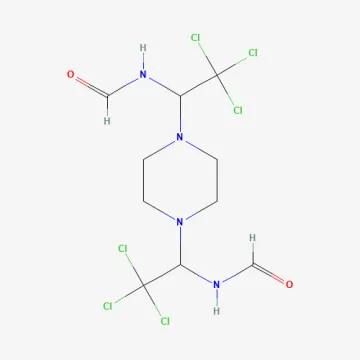
Description
Mode of action
Triforine is a systemic fungicide belonging to the piperazine class of chemicals. Upon application, it is rapidly absorbed by plant foliage and translocated within the plant tissues, providing comprehensive protection to both treated and new growth.
The mode of action involves the inhibition of ergosterol biosynthesis in fungal cells. By disrupting the cell membrane formation, triforine effectively stops the growth of mycelium and prevents the development of spores.
Due to its systemic properties, triforine exhibits both protective and curative efficacy. It can effectively control infections during the early stages of disease development.
The substance provides a lasting effect, protecting the plant against re-infection for a period of up to two weeks, depending on the environmental conditions and the aggressiveness of the pathogen.
Triforine is known for its ability to redistribute within the plant, which enhances the reliability of the treatment in cases where full coverage of the canopy is difficult to achieve.
What it targets
Triforine is primarily utilized for the control of fungi belonging to the Ascomycota and Basidiomycota classes. It is highly valued for its efficacy against various strains of powdery mildew.
It is widely used in apple and pear orchards to manage scab, ensuring fruit quality and maintaining the health of the foliage throughout the growing season.
In ornamental horticulture and greenhouse production, triforine is effective against a variety of leaf spots, rust diseases, and other fungal infections that affect aesthetic quality.
The chemical is also used on several berry crops to provide control against specific pathogens that cause yield loss or fruit rot.
- Powdery mildew (Erysiphaceae)
- Scab (Venturia)
- Rust (Pucciniales)
- Monilinia species
Rates and timing
Application rates for triforine are specific to the crop and the disease pressure. Always consult the product label for the precise concentration required for effective disease management.
Optimal timing for application is at the first sign of disease emergence or during periods of high environmental risk, such as humid or overcast weather conditions.
The frequency of application is strictly regulated to ensure effective control while preventing the development of pathogen resistance to the active substance.
When preparing the spray solution, ensure thorough mixing to maintain a consistent concentration of the active ingredient across all treated areas.
When applying in tank mixtures, compatibility tests should be performed to avoid potential antagonistic effects or physical instability of the spray mixture.
Restrictions
Strict safety precautions are required when handling triforine. Operators must wear appropriate personal protective equipment, including gloves, respirators, and eye protection.
Entry into treated areas should be restricted until the spray has completely dried, especially in greenhouse environments where ventilation protocols must be followed.
Environmental care must be taken to prevent runoff into water sources, as triforine can be harmful to aquatic organisms if introduced in large quantities.
Storage should be in the original, tightly sealed container, kept in a cool, dry place out of reach of children, pets, and unauthorized personnel.
To preserve the long-term effectiveness of the fungicide, it is essential to implement an integrated disease management program and rotate triforine with products featuring different modes of action.
Content graph
Connections · Triforine
Most often together:
Marketplace
Products · 2

Saprol EC
Ф.Хаяші Агросайенс Лтд.,Японія для ф.Сумітомо Корпорейшн
Fungicides
0
0
·
41
No offers
—
Details