
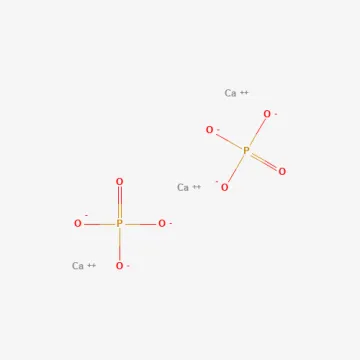
Tricalcium phosphate
Description
Mode of action
Tricalcium phosphate is an inorganic compound, a salt of phosphoric acid, which serves as a crucial source of readily available calcium and phosphorus for agricultural objects. Unlike aggressive chemical protection agents, this class of compounds acts on plant biological systems as a regulatory nutrient, strengthening cell walls.
The mechanism of influence lies in stimulating root system development and improving energy metabolism within the plant cell. Phosphorus, part of the substance's composition, is critical for ATP synthesis, which accelerates cell division processes and the accumulation of sugars in fruits and vegetative plant tissues.
The calcium component of the compound helps neutralize excessive acidity of the soil solution, creating an optimal pH balance in the rhizosphere. This prevents the toxic influence of free aluminum and manganese ions, which often block the absorption of other vital nutrients by plants.
When used as part of comprehensive agrotechnical measures, this group of substances contributes to increasing the overall stress resistance of crops. Plants become less susceptible to mechanical damage and temperature fluctuations due to the strengthening of the intercellular structure.
Additionally, the compound maintains the homeostasis of the soil microbial community. The activation of beneficial soil microflora under the influence of phosphates indirectly suppresses the development of pathogenic fungi, creating a healthier environment for the growth of agricultural crops.
What it targets
The object is mainly used on cereal, vegetable, and fruit crops to eliminate phosphorus-calcium nutrition deficits. The substance shows particular effectiveness in acidic soils with low content of mobile phosphorus, where plants experience chronic "phosphorus hunger".
It is used to prevent physiological diseases caused by calcium deficiency, such as blossom-end rot in tomatoes and peppers, and leaf margin burn in leafy greens. Strengthening fruit tissues also reduces the risk of crop damage by pests with chewing mouthparts.
Rates and timing
Application rates depend on the results of soil agrochemical analysis and the specific growth stage of the crop. Under field conditions, application is carried out mainly during primary tillage or in rows during sowing to ensure prolonged nutrition.
For open and closed ground vegetable crops, application timing is linked to periods of intensive vegetative growth and fruit formation. Proper incorporation into the soil guarantees the gradual conversion of phosphate into an available form under the influence of soil acids and root exudates.
Restrictions
When using, it should be noted that tricalcium phosphate has low water solubility, so its effectiveness directly depends on the dispersity (degree of grinding) of the preparation. Joint application with highly alkaline compositions is not recommended, as they may complicate the transition of phosphorus into an absorbable form.
It is necessary to strictly observe dosages, as excessive accumulation of salts can lead to the temporary blocking of the absorption of microelements such as iron, zinc, and manganese. When working with powdered forms, it is important to use respiratory protection to avoid irritation of the mucous membranes.
Status in the European Union
Not approved in the EU
- CAS number
- 10103-46-5
- Category (EU)
- RO - Rodenticide
EU status is for reference only and does not replace national registration in your country.