

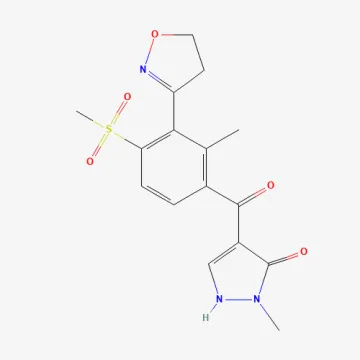
Description
Mode of action
Topramezone is a systemic, selective herbicide belonging to the triketone chemical class. It acts as a potent inhibitor of the 4-hydroxyphenylpyruvate dioxygenase (HPPD) enzyme within plant tissues.
The inhibition of this enzyme interferes with the carotenoid biosynthesis pathway. As a result, chlorophyll is no longer protected from photo-oxidation, leading to characteristic bleaching and necrosis of the target weed foliage.
Upon application, the active ingredient is absorbed through the leaves and, to a lesser extent, the roots. It then translocates via the xylem and phloem to reach the meristematic tissues, ensuring effective control.
The herbicide is known for its fast-acting nature. Sensitive weed species stop competing with the crop shortly after treatment, with complete necrosis typically observed within 7 to 14 days post-application.
Topramezone possesses some residual soil activity, providing a short-term barrier that helps to suppress subsequent flushes of weeds in the early stages of corn development.
What it targets
Topramezone is primarily used for post-emergence weed control in maize (corn) crops, including field, sweet, and silage corn varieties.
It is highly effective against a broad spectrum of broad-leaved weeds and some grass species. It is particularly valued for controlling weeds that have developed resistance to other common herbicide modes of action.
Target weeds include difficult-to-control species such as lambsquarters, pigweed, black nightshade, various knotweed species, and common ragweed.
While primarily a broad-leaf herbicide, it also demonstrates activity against annual grasses, such as barnyard grass, especially when applied at early growth stages and in combination with effective adjuvants.
- Common lambsquarters
- Common ragweed
- Redroot pigweed
- Black nightshade
- Barnyard grass
Rates and timing
The optimal application window for topramezone is during the active vegetative growth of corn, typically from the 2-leaf to the 8-leaf stage. Timely application is crucial for maximizing performance.
The application rate generally ranges from 0.5 to 0.7 liters per hectare, depending on the weed spectrum, weed density, and local environmental conditions at the time of spraying.
The use of high-quality oil-based adjuvants is highly recommended. These additives significantly improve the wetting and penetration of the herbicide through the leaf cuticle, especially on weeds with waxy surfaces.
Application should occur under favorable weather conditions, with temperatures ranging between +15°C and +25°C. Avoid spraying during periods of extreme heat or plant stress, such as drought or frost.
When tank-mixing, ensure compatibility with other products. Avoid mixing with certain organophosphate insecticides to prevent potential crop phytotoxicity, allowing a buffer period of at least one week.
Restrictions
While highly selective for corn, transient bleaching of leaves may occur under certain conditions. This is usually a temporary cosmetic effect that does not impact the ultimate yield of the crop.
Crop rotation restrictions must be strictly observed. Some sensitive crops, such as sugar beets or certain legumes, may be affected by soil residues of topramezone in subsequent seasons.
Do not apply to corn fields previously treated with systemic organophosphate insecticides, as this interaction can disrupt the metabolic detoxification process within the crop, leading to injury.
Operators must adhere to safety protocols, including the use of protective clothing, gloves, and respiratory protection during mixing and application to prevent dermal or oral exposure.
Store the product in its original, sealed containers in a cool, dry, and well-ventilated area, ensuring it remains inaccessible to children, unauthorized personnel, and pets.
Content graph
Connections · Topramezone
Most often together:
Marketplace
