
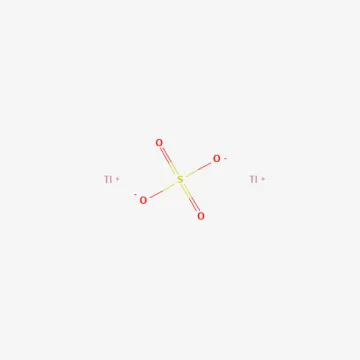
Thallium sulphate
Description
Mode of action
Thallium sulfate is an inorganic compound that was historically utilized in agricultural practice primarily as a highly potent rodenticide.
Its mechanism of action is based on the high toxicity of thallium ions, which mimic potassium ions within biological systems, thereby disrupting cellular metabolism.
This disruption leads to the blockade of vital enzymatic processes and causes severe neurological damage in the target organisms.
The substance is known for its cumulative effect, causing irreversible pathological changes in the organs and tissues of warm-blooded animals.
Due to its lack of selectivity and extreme environmental danger, the use of this compound as a pesticide has been strictly prohibited globally.
What it targets
Historically, thallium sulfate was applied to control various rodent species, such as rats and mice, particularly in storage facilities and grain warehouses.
It was also employed against certain types of harmful insects, including ants, owing to its effectiveness as both a contact and ingestion toxicant.
The high efficacy of the substance meant that even minimal doses were sufficient to ensure the rapid elimination of pests.
However, its non-selective nature posed a significant threat to non-target species, including birds of prey, scavengers, and domestic pets.
Currently, there are no approved applications for this substance in agriculture, as modern safety standards emphasize the use of highly selective alternatives.
Restrictions
Thallium sulfate is classified as a substance of extremely high danger to human health and the ecosystem, precluding any agricultural application.
The primary constraint is its acute toxicity: the substance is easily absorbed through the skin, mucous membranes, and gastrointestinal tract.
There are no specific antidotes for chronic thallium poisoning, making exposure to the substance a life-threatening medical emergency.
International regulations and national laws strictly ban the inclusion of thallium compounds in any pesticide or plant protection products.
Any detected presence of this substance in soil requires immediate remediation efforts, as it is a persistent contaminant with a long half-life in the environment.
Status in the European Union
Not approved in the EU
- CAS number
- 7446-18-6
- Category (EU)
- RO - Rodenticide
EU status is for reference only and does not replace national registration in your country.