

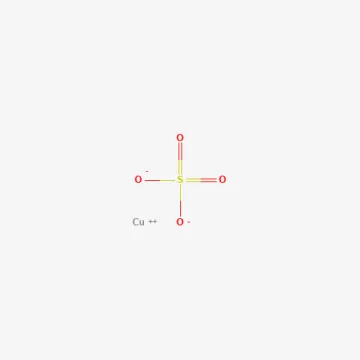
Description
Mode of action
Copper sulfate is a primary inorganic fungicide that acts through contact mechanism. It is widely utilized in professional agriculture to control a diverse range of plant pathogens, primarily fungi and some bacterial strains.
The primary mode of action involves the release of copper ions that interfere with the enzymatic activity of pathogens. By disrupting the metabolic pathways of fungi, it effectively prevents the germination of spores and inhibits mycelial growth.
As a broad-spectrum protective agent, copper sulfate creates a residual barrier on the plant surface. This external protection prevents the entry of pathogens into the leaf or stem tissue, which is critical for disease management.
To enhance stability and minimize plant damage, copper sulfate is frequently formulated with lime, creating a Bordeaux mixture. This preparation improves adherence to the foliage, especially during periods of high humidity.
The duration of the protective effect is linked to environmental durability. Since it is a surface-active substance, it can be washed off by rain, requiring reapplication to maintain the protective film throughout the season.
What it targets
This group of substances is effective against major fungal diseases, such as downy mildew, late blight, scab, and various fruit rots. It is a staple tool for vineyard protection and fruit orchard maintenance throughout the globe.
Besides field applications, copper sulfate is highly effective for sanitizing greenhouse structures and storage facilities. It is frequently used for wound healing on woody plants after pruning to prevent secondary infection.
Rates and timing
Application rates are determined by the specific crop growth stage and disease pressure. Early spring treatments, performed during dormancy, generally use higher concentrations to eliminate overwintering spores.
During the growing season, lower dosages are mandatory to prevent phytotoxicity. Treatments should be performed during calm, cool weather to ensure maximum coverage while minimizing stress to the photosynthetic apparatus of the crop.
Restrictions
Excessive use of copper sulfate poses a significant risk of phytotoxicity, manifesting as leaf burn or stunted growth. It is essential to strictly follow label instructions to avoid damaging sensitive crop varieties.
Over-application can lead to long-term soil copper accumulation, which may inhibit microbial activity and affect soil health. Adequate personal protective equipment must be used by operators during mixing and application to prevent exposure.
Content graph
Connections · Copper sulfate
Most often together:
Marketplace
Products · 2
KOMPLEKSNIY PRIPARAT «ADAPTOFIT», RK, REGULYaTOR ROSTU ROSLIN
High Yield
Plant Growth Regulators
0
0
·
59
No offers
—
Details