

Agil 100
F.A.GAN Chemical Manufacturers Ltd. Israel, member
Herbicides
0
0
·
2.3K
8 offers
5.05 €per 1 l
Buy
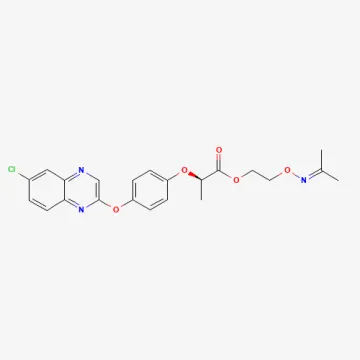
Propaquizafop is a systemic, selective herbicide belonging to the aryloxyphenoxypropionate chemical family. It is widely recognized for its high efficacy in post-emergence control of grass weeds in a variety of broad-leaved crops.
The mode of action is the inhibition of acetyl-CoA carboxylase (ACCase). By blocking this enzyme, the plant becomes unable to synthesize essential fatty acids, which leads to the disintegration of cell membranes and eventual death of the plant tissue.
The compound is absorbed primarily through the foliage and is quickly translocated throughout the entire plant system. This systemic movement ensures that the herbicide reaches the roots and rhizomes, preventing the regrowth of perennial weeds.
Visible symptoms, such as the cessation of growth and chlorosis, appear shortly after application. The total destruction of the weed follows within two weeks, depending on the climatic conditions and the species of the weed.
Propaquizafop is known for its excellent crop safety profile. It effectively targets grasses while showing high selectivity, allowing it to be used safely in sensitive broad-leaved crops without causing phytotoxicity.
This herbicide is specifically designed to control a wide array of annual and perennial grass weeds. It is a vital tool for farmers managing fields where grass competition severely reduces crop yield.
Common target species include:
Propaquizafop is applied across various crops, including soybeans, sugar beets, sunflowers, potatoes, and rapeseed. Its ability to provide clean fields ensures that the primary crop has sufficient access to nutrients and light.
Effective management is achieved by treating weeds during their active growth phase. The versatility of the application window allows for efficient management based on field conditions rather than crop growth stage.
Regular use of this herbicide is part of an integrated weed management strategy. By keeping fields free of grass weeds, farmers reduce the overall seed bank in the soil and improve general harvest efficiency.
Dosage requirements for propaquizafop depend on the weed species, their density, and their stage of development. Typically, for annual grasses, rates vary between 0.4 and 0.8 liters per hectare.
For tougher perennial grasses that have established root systems, higher rates are necessary, typically ranging from 0.8 to 1.2 liters per hectare to ensure complete kill of the plant mass.
Timing the application is critical for success. The best performance is observed when weeds are in the 2 to 4-leaf stage for annuals, or when perennials have reached a height of about 10–15 cm.
Environmental factors like air temperature are important; applications should be performed between 12°C and 25°C. Extreme drought or frost can inhibit the plant's metabolism, reducing the effectiveness of the herbicide.
Uniform coverage is essential, requiring a water volume of 200–300 liters per hectare. Proper calibration of spraying equipment ensures that the active ingredient is applied effectively across the treated area.
Safety is a priority when handling propaquizafop. Personal protective equipment, such as gloves, goggles, and protective clothing, must be worn to prevent contact with the skin and eyes during mixing and spraying.
The herbicide must not be tank-mixed with nitrogen fertilizers, as this combination may induce phytotoxic symptoms on the crop. Always perform a compatibility test before adding multiple products to the spray tank.
Due to potential risks to aquatic life, application near lakes, rivers, or sensitive nature reserves is strictly prohibited. Buffer zones must be maintained to prevent spray drift into non-target areas.
Proper storage is essential to maintain the shelf life and effectiveness of the herbicide. Keep containers tightly sealed in a dry, cool, and well-ventilated area, away from the reach of children and unauthorized personnel.
After finishing the spraying process, all equipment must be thoroughly cleaned to avoid cross-contamination. Empty containers should be disposed of in accordance with regional environmental regulations.
