

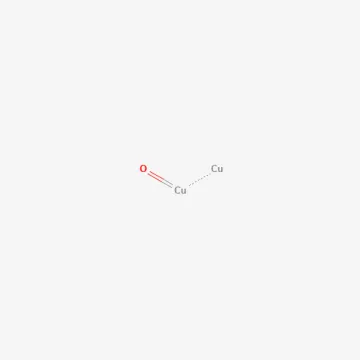
Description
Mode of action
Copper oxychloride is a traditional contact fungicide that acts as a protective barrier on the surface of plant tissues. It is widely used to prevent fungal spore germination and pathogen infection.
The mechanism of action involves the release of copper ions that interfere with the metabolic processes of fungal cells. Specifically, it disrupts enzyme systems, preventing respiration and growth.
Because it is a contact fungicide, it does not translocate within the plant vascular system. Therefore, thorough and uniform coverage of all foliage is essential for effective protection.
The product provides protection only for the areas of the plant covered by the spray. New growth appearing after application remains unprotected and may require additional treatment.
The residual protective effect usually lasts for 7 to 12 days, depending on weather conditions, such as rainfall and the rate of plant development, which can dilute the deposit.
What it targets
This group of chemicals is highly effective against various downy mildews, including those affecting grapes, onions, and cucurbits. It is a staple in integrated pest management programs.
It is widely used to control late blight in potatoes and tomatoes. Its ability to create a persistent film on leaves makes it an excellent preventive measure against these devastating pathogens.
Copper oxychloride is also used against fruit diseases, including apple scab, pear scab, and peach leaf curl. It effectively prevents the spread of spores during wet spring conditions.
The substance shows activity against various bacterial spots and blights, contributing to overall plant health by reducing the general pathogen pressure in the orchard or field.
Regular use helps suppress the overwintering inoculum of fungi, thereby reducing the intensity of primary infections at the beginning of the growing season.
Rates and timing
Application rates vary depending on the target crop, disease pressure, and the specific formulation of the product. Standard concentrations range between 0.3% and 0.5% in spray solutions.
Spraying should be conducted during cool hours, typically early morning or late evening, to avoid rapid evaporation and potential leaf burn caused by direct intense sunlight.
Proper equipment calibration is necessary to ensure a fine, uniform mist. High-pressure sprayers are often preferred to cover both the adaxial and abaxial leaf surfaces.
Applications should be repeated at intervals of 10 to 14 days. Farmers must monitor the weather, as heavy rain may necessitate re-application to maintain the protective film.
A maximum number of seasonal applications is usually established to prevent excessive copper accumulation in the soil, which can harm soil beneficial microflora.
Restrictions
Personal protective equipment, including gloves and respirators, is mandatory when handling the concentrate or applying the solution, as it can cause skin and respiratory irritation.
Mixing copper oxychloride with incompatible pesticides, especially those with alkaline reactions or sulfur-based compounds, can deactivate the product or increase phytotoxicity.
Care should be taken when applying near aquatic environments, as copper compounds can be highly toxic to fish and other aquatic organisms in ponds and nearby streams.
Strict observance of pre-harvest intervals is essential to ensure food safety. Farmers must adhere to local regulations regarding residue limits on harvested crops.
Frequent use on sensitive crops or under conditions of high humidity can lead to phytotoxic effects, manifesting as leaf burn or stunted growth, requiring careful rate management.
Regulatory
Status in the European Union
Approved in the EU
- CAS number
- 1317-39-1
- Approved from
- 01.01.2019
- Approval until
- 30.06.2029
EU legislation
EU status is for reference only and does not replace national registration in your country.
Content graph
Connections · Copper oxychloride
Most often together:
Marketplace
Products · 5


Curzat R 44
«Дюпон Інтернешнл Оперейшнз Сарл», Швейцарія
Fungicides
0
0
·
46
1 offer
14.6 €per pack
Buy