

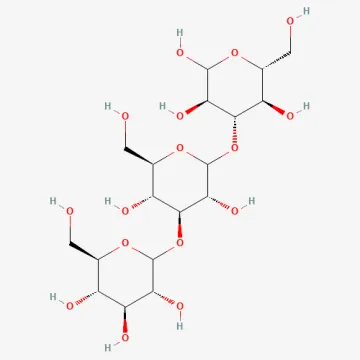
Description
Mode of action
Laminarin is a natural polysaccharide derived from brown algae (Laminaria genus). It is classified in plant protection as a biofungicide with a strong elicitor effect on plant defense systems.
The mechanism of action involves the activation of the plant's Systemic Acquired Resistance (SAR) and Induced Systemic Resistance (ISR). The molecule acts as a signal that triggers the natural immune response.
Upon detection, the plant initiates the synthesis of pathogenesis-related proteins and phytoalexins, creating a robust chemical and physical barrier against potential pathogens.
Laminarin has no direct toxic effect on the fungi themselves, which effectively eliminates the risk of pathogens developing resistance through mutations, even with repeated use.
As a biological agent, it is entirely safe for non-target organisms, pollinators, and the environment, making it a preferred choice for sustainable and organic agricultural systems.
What it targets
This compound is primarily used for the prevention and suppression of a wide range of diseases affecting vegetables, fruits, berries, and cereal crops.
It has shown significant efficiency in managing powdery mildew, gray mold, late blight, and downy mildew across various growth stages of host plants.
Laminarin helps suppress the spread of leaf spot diseases caused by both fungal spores and specific bacteria that impact the foliage and overall plant vigor.
The substance is often applied to strengthen the crop against abiotic stresses, such as thermal fluctuations and high humidity, which predispose plants to infection.
- Powdery mildew fungi
- Potato and tomato late blight
- Gray mold (Botrytis cinerea)
- Downy mildew (Peronospora)
Rates and timing
Application rates for Laminarin are determined by the target crop, the current disease pressure, and the specific application method, whether foliar or soil-based.
The most successful strategy is prophylactic treatment initiated before the appearance of visible disease symptoms, allowing the plant enough time to activate its defenses.
A typical application interval ranges between 7 to 14 days, which ensures that the plant's immune response remains at a protective level during peak infection periods.
Strict adherence to manufacturer dosage guidelines is essential, as higher concentrations do not necessarily translate into a stronger or faster immune response in the host plant.
The product demonstrates high compatibility with standard chemical and microbial crop protection products, facilitating its inclusion in integrated pest management programs.
Restrictions
A major limitation is that Laminarin is predominantly a preventive agent and cannot effectively cure plants that have already reached advanced stages of disease development.
When mixing with other fertilizers or pesticides, it is recommended to conduct a compatibility test to ensure no precipitation or loss of biological activity occurs in the tank.
Storage conditions must be strictly maintained according to the manufacturer's instructions, as degradation of the polysaccharide chains can occur under high-temperature exposure.
The efficacy of the treatment is dependent on the plant's physiological condition; plants that are severely stressed or nutrient-deficient may show a limited immune response.
While the product is environmentally safe, operators should still wear basic personal protective equipment when handling the concentrate to prevent contact with eyes and skin.
Content graph
Connections · Laminarin
Most often together:
Marketplace
Products · 3

