

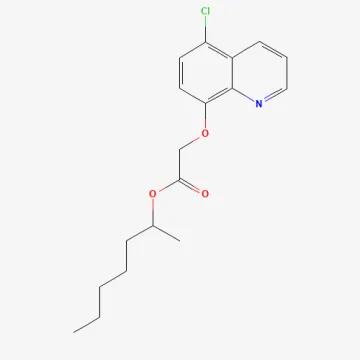
Description
Mode of action
Cloquintocet-mexyl belongs to a class of chemical compounds used as an antidote (or "safener") for herbicides, most commonly those from the aryloxyphenoxypropionate group.
The primary mechanism of action of this substance involves stimulating the metabolism of the herbicide within the crop plant, which allows the plant to break down toxic components into safe compounds more quickly.
This group of substances does not have a direct lethal effect on weeds, but is aimed exclusively at increasing the selectivity of pesticides in cereal crop fields.
The use of cloquintocet-mexyl allows for a significant reduction in phytotoxic stress on crops during intensive chemical weeding operations.
In field conditions, this compound ensures a stable effect even under unfavorable weather factors that affect the detoxification rate of the herbicide's active ingredient.
What it targets
In agronomic practice, the group is used in combination with herbicides designed to control annual and perennial grass weeds, including wild oats and various species of millet.
The main crops where this protection is applied are winter and spring wheat, which have high sensitivity to certain classes of grass-killing preparations.
The application of the product allows for effective weed control without the risk of suppressing the main yield, ensuring field cleanliness during critical growth stages.
Due to its specificity, cloquintocet-mexyl neutralizes the negative impact of precisely those herbicides that can cause chlorosis and developmental delays in wheat.
Using the group contributes to preserving yield potential by preventing the stress that plants experience when high-selectivity herbicides are applied.
Rates and timing
The application rates of cloquintocet-mexyl are strictly linked to the concentration of the base herbicide in the tank mix and are determined by the specific product manufacturer's regulations.
Application timing is strictly regulated by crop growth stages: usually, treatment is performed during the tillering period of cereals, before stem elongation.
Optimal temperature conditions for operation range from +10°C to +25°C, ensuring the necessary speed of metabolic processes within the crop plant tissues.
When preparing the working solution, it is crucial to follow the mixing order to exclude sediment formation and loss of the safener's activity.
It is not recommended to exceed maximum allowable rates, as this can lead to a disruption of metabolic balance and a reduction in herbicide treatment efficiency.
Restrictions
When working with this group, it is necessary to use standard personal protective equipment: gloves, goggles, a respirator, and protective clothing.
Mixing the product with fertilizers or other pesticides without prior compatibility testing in a small volume is strictly prohibited.
Drift of the working solution onto neighboring fields with sensitive crops should be avoided, even though the safener acts selectively on grasses.
Storage must be carried out in dry, cool warehouse facilities, inaccessible to children and animals, in the original factory packaging.
Always adhere to environmental requirements: do not allow residues of the working solution to enter water bodies or sewage systems.
Reference
Connections · Cloquintocet-mexyl
Most often together:
Marketplace