
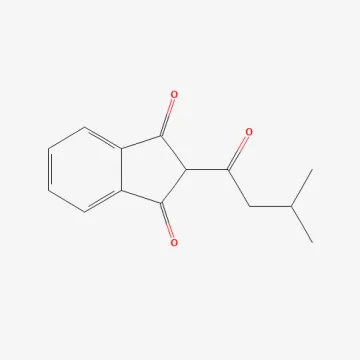
Isovaleryl ethyl
Description
Mode of action
Isovaleryl-ethyl is a chemical compound often utilized within formulations for plant protection as an active agent or a potentiator. It is characterized by its ability to interfere with the physiological functions of target pests, primarily acting as a contact-stomach poison.
Upon contact with the insect's cuticle or ingestion through feeding, the substance disrupts the normal operation of the nervous system. This results in rapid paralysis and prevents further damage to the crop.
This group of compounds often acts as a synergist, enhancing the penetration of primary active ingredients through the insect's protective layers, thereby increasing the overall efficacy of the pesticide treatment.
The biological impact is effective across various life stages, but is most potent against larvae and adults during their peak activity periods. It is valued for its ability to provide quick control in integrated pest management programs.
The efficacy of isovaleryl-ethyl is sensitive to environmental conditions, performing best under moderate temperatures where the metabolic activity of pests is high, ensuring rapid uptake of the active compound.
What it targets
The scope of application for isovaleryl-ethyl includes a variety of pests that pose significant threats to cereal crops, vegetables, and ornamental plants. It is particularly effective against species that are difficult to manage with older chemistries.
The target organisms include coleopterans, hemipterans, and various lepidopteran larvae. By focusing on these groups, the substance helps in preserving crop yield and quality throughout the growing season.
In field crops, it is frequently used against cereal beetles and bugs that feed on grains and stems. In horticulture, it helps control sucking insects like aphids that are vectors for viral diseases.
Proper scouting is essential to identify the infestation level before application. By targeting pests at the correct developmental stage, growers can effectively halt population growth and prevent economic damage.
- Cereal bugs
- Leaf beetles
- Aphids and sucking insects
- Lepidopteran larvae
Rates and timing
Application rates for isovaleryl-ethyl formulations are established by the manufacturer and must be strictly followed. These rates ensure optimal pest control while maintaining safety for the treated crop.
Uniform coverage is critical for success, requiring calibrated spraying equipment. The volume of the water carrier should be selected based on the canopy density and the specific type of application machinery used.
Timing the application according to the pest's life cycle is crucial. Early intervention when pest populations are in their nascent stages requires smaller amounts of the chemical and achieves better results.
To manage the risk of resistance development, it is highly recommended to rotate isovaleryl-ethyl with products that possess a different mode of action. This ensures long-term sustainability of the pest management strategy.
Avoiding application during high-wind conditions is necessary to prevent drift and ensure the substance reaches the intended target. Always check the weather forecast before finalizing field plans.
Restrictions
A primary limit for the use of isovaleryl-ethyl is the pre-harvest interval (PHI). Adhering to these safety windows is mandatory to ensure that residues in the harvested produce remain well below legal limits.
The compound is categorized as toxic to bees and beneficial predatory insects. Consequently, applications during the flowering period of crops are prohibited to safeguard essential pollinators and ecosystem services.
Measures must be taken to prevent drift towards sensitive areas such as water bodies, apiaries, and residential zones. Buffer zones are often required by local regulations to minimize environmental impacts.
Protective clothing, including respirators and chemical-resistant gloves, is mandatory for all personnel involved in the mixing, loading, and application processes. Standard safety protocols must be followed strictly.
Storage of the chemical must be in a dedicated, secure location, away from direct sunlight, moisture, and extreme heat, to preserve the chemical integrity and prevent accidental exposure or environmental leakage.
Status in the European Union
Not approved in the EU
- CAS number
- 83-28-3
- Category (EU)
- RO - Rodenticide
EU status is for reference only and does not replace national registration in your country.