


Reference · Active ingredients
Molluscicides
Molluscicides are a class of pesticides specifically formulated to manage populations of terrestrial gastropod mollusks, which are common pests in agricultural and garden settings.
3
items
What the section contains
Marketplace
Products in this section · 1
Molluscicides
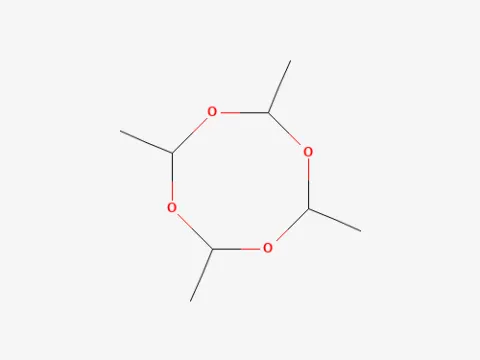
The primary active ingredients currently used include metaldehyde, which functions as a contact and stomach poison, and iron phosphate, which acts primarily as a stomach poison.
Metaldehyde disrupts the mucus-producing cells of the mollusk, leading to excessive dehydration, paralysis, and eventual mortality of the targeted pests.
Iron phosphate works by interfering with the mollusk's digestive system; once ingested, the pest stops feeding and retreats to an underground shelter before dying.
These products are typically formulated as pelleted baits containing attractants, designed to lure slugs and snails away from protected crops toward the lethal bait.
The main targets of molluscicides are various slug species, such as the grey field slug and the invasive Spanish slug, which cause extensive damage to young seedlings.
These treatments are also highly effective against common garden snails, which can cause significant aesthetic and economic damage to ornamental plants and fruits.
Vegetable crops, including lettuce, cabbage, and brassicas, are particularly susceptible to mollusk damage due to their high water content and tender leaf structure.
In large-scale farming, mollusk infestations can decimate commercial fields of winter wheat, canola, and strawberry crops during the initial growth phases.
Beyond physical consumption of plant tissues, the use of molluscicides helps mitigate the spread of plant diseases that often enter through the wounds caused by feeding.
Application rates typically range from 3 to 7 kilograms per hectare, depending on the severity of the infestation and the density of the crop canopy.
The pellets should be scattered evenly across the soil surface around the plants or along the perimeter of the field to create an effective protective barrier.
Optimal application timing is during humid weather or in the evening hours when slugs and snails are most active and likely to encounter the bait.
In conditions of high pest pressure, repeat applications every two weeks may be necessary to control successive hatches and ensure continued protection.
Always consult the specific product label to adhere to the pre-harvest interval, ensuring that no chemical residue remains on the produce at the time of consumption.
Metaldehyde-based products require strict safety measures, as they can be toxic to dogs, cats, and local wildlife if accidentally ingested in significant quantities.
Iron phosphate baits are considered more environmentally friendly and have a significantly lower risk profile for non-target species like birds and hedgehogs.
Excessive rainfall shortly after application can diminish the efficacy of the bait by causing the pellets to break down prematurely in the soil.
Operators must wear appropriate protective gear, including gloves and masks, during the handling and distribution of molluscicide pellets to avoid skin contact.
Always store these chemicals in their original, labeled containers, kept out of the reach of children and pets, and away from food and feed storage areas.