

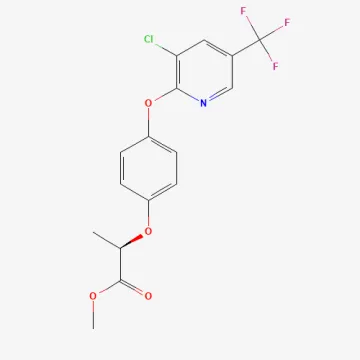
Description
Mode of action
Haloxyfop-P-methyl belongs to the aryloxyphenoxypropionate chemical class. It is a systemic active ingredient that is rapidly absorbed by the foliage of weeds and translocated throughout the entire plant system.
The mechanism of action involves inhibiting the acetyl-CoA carboxylase (ACCase) enzyme. This enzyme is essential for the biosynthesis of fatty acids in grass weed cells.
By blocking lipid synthesis, the herbicide disrupts the formation of cell membranes. This process halts plant growth and leads to the eventual death of meristematic tissues in target weeds.
The substance exhibits high selectivity, meaning broadleaf crops are typically able to metabolize the compound safely. This allows for effective weed control without causing damage to the protected crops.
Symptoms of activity, such as yellowing and browning of the leaves, usually appear within one to three weeks post-application, depending on the environmental conditions and the growth stage of the weeds.
What it targets
Haloxyfop-P-methyl is specifically designed to control grass weeds. It is ineffective against broadleaf weeds and sedges, making it a specialized tool for selective grass management.
Target species include both annual and perennial grasses. Key examples are barnyard grass, foxtails, wild oats, and couch grass (Elymus repens), which are common problems in many agricultural settings.
It is widely used in broadleaf crop production, including soybeans, sunflowers, sugar beets, oilseed rape, and potatoes. It helps minimize competition for nutrients, water, and sunlight.
The product is also effective in controlling volunteer cereal crops that may grow as weeds in following seasons. This is particularly important for integrated pest management in crop rotation.
The compound is highly effective when applied during the active growth phases of grass weeds, ensuring that the translocation of the herbicide into the roots is maximized.
Rates and timing
Timing of application is critical for success. For annual grasses, the optimal period is during the early growth stages, typically when the weeds have 2 to 4 true leaves.
Perennial weeds like couch grass are best treated when they reach a height of 10–15 cm. At this stage, the plant is actively translocating nutrients to its roots, facilitating herbicide absorption.
Application rates vary based on weed species and infestation density. Heavier infestations or more mature weeds generally require higher dosage rates for effective results.
Weather conditions significantly impact efficacy. Applications should be performed when weeds are actively growing; drought or temperature stress can significantly reduce the absorption of the herbicide.
Effective coverage is vital for the herbicide to work as intended. Using appropriate nozzles and sufficient water volumes ensures the active ingredient reaches all parts of the weed foliage.
Restrictions
Avoid applying the herbicide when the main crop is under stress, such as drought, waterlogging, or cold temperatures. Stress conditions may reduce the crop's ability to safely metabolize the active ingredient.
Tank mixing requires caution. Mixing this herbicide with broadleaf herbicides can sometimes cause antagonism, which may result in poor control of the grasses.
Adhering to the recommended frequency of application is necessary to prevent the development of weed resistance. Do not overuse the active ingredient on the same field throughout the season.
Safety precautions must be followed during handling, including the use of protective clothing and masks. Prevent drift into nearby sensitive areas, especially adjacent cereal crop fields.
Equipment cleaning is essential after use. Residues left in the sprayer tank can cause significant phytotoxicity if the same sprayer is subsequently used on sensitive crops.
Content graph
Connections · Haloxyfop-P-methyl
Most often together:
Marketplace