

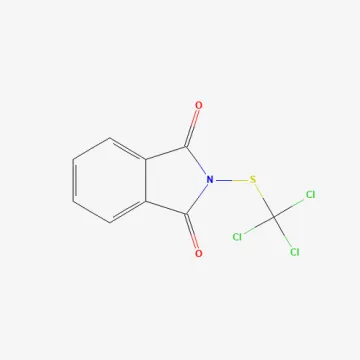
Description
Mode of action
Folpet belongs to the phthalimide chemical class. It is a multi-site contact fungicide that inhibits fungal respiration and prevents the germination of pathogen spores.
The mechanism of action is based on the suppression of pathogen metabolism at early stages, making it an effective preventive tool for protecting various crops.
The substance does not penetrate into the plant and lacks systemic properties; therefore, its efficacy is directly dependent on the quality of coverage on the leaf surface during application.
Folpet is characterized by the absence of a specific mechanism to which pathogens could quickly develop resistance, which allows it to be used in anti-resistance management programs.
The fungicide shows high resistance to wash-off by rain once the spray solution has dried on the plant surface, ensuring a prolonged period of protection.
What it targets
Folpet is used to control dangerous fungal diseases such as downy mildew in grapes, apple scab, leaf spots, and various fruit rots in horticultural crops.
It is effective against pathogens from the Oomycetes and Ascomycetes classes, allowing for the protection of fruit trees, berry bushes, and open-field vegetables.
The main area of use is the vineyard, where the preparation successfully controls both primary and secondary infections throughout the growing season.
Additionally, Folpet is widely used in potato and tomato production to prevent the development of late blight and other economically important diseases.
The product is frequently used in tank mixtures with systemic fungicides to enhance overall efficiency and broaden the spectrum of controlled pathogens.
Rates and timing
Application rates depend on the crop type, disease pressure, and environmental conditions. Typically, the working dosage ranges from 1.5 to 2.0 kg per hectare.
It is crucial to perform treatments preventively, before visual signs of the disease appear, as the contact action cannot eliminate an established mycelium.
The interval between spraying during active growth typically ranges from 7 to 14 days, depending on weather conditions favoring fungal pathogen development.
To achieve the best results, it is necessary to ensure thorough coverage of the entire plant canopy, including the undersides of the leaves.
Special attention should be given to treatments during fruit setting and development stages to protect the yield from early infection.
Restrictions
Folpet is moderately toxic to humans and mammals, so strict adherence to safety guidelines is required when handling the preparation.
It is essential to prevent the substance from entering open water bodies, as it poses a potential hazard to fish and other aquatic organisms.
Application during active bee foraging hours is prohibited to prevent negative impacts on beneficial pollinators in orchards and fields.
Mixing Folpet with highly alkaline pesticides or oil-based products is not recommended to avoid potential phytotoxicity on sensitive crop varieties.
Strict observance of pre-harvest intervals is necessary to ensure the safety of agricultural produce according to local regulatory standards.
Regulatory
Status in the European Union
Approved in the EU
- CAS number
- 133-07-3
- Approved from
- 01.11.2024
- Approval until
- 31.10.2039
- ADI
- 0.1 mg/kg bw/day
- ARfD
- 0.6 mg/kg bw
- AOEL
- 0.1 mg/kg bw/day
Hazard classification (CLP)
Acute Tox. 4 - H332Aquatic Acute 1 - H400Carc. 2 - H351Eye Irrit. 2 - H319Skin Sens. 1 - H317
EU legislation
EU status is for reference only and does not replace national registration in your country.
Content graph
Connections · Folpet
Most often together:
Marketplace
Products · 20


Zorek Vinabria
«Дюпон Інтернешнл Оперейшнз Сарл», Швейцарія
Fungicides
0
0
·
40
10 offers
14.68 €per 1 l
Buy


