

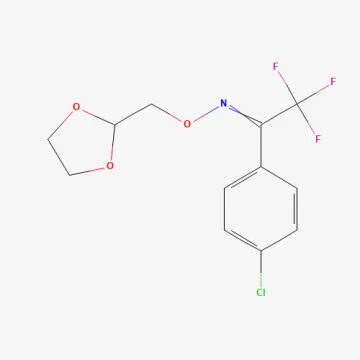
Description
Mode of action
Fluxofenim belongs to the chemical class of fluorine-containing compounds and performs the specific function of a safener for herbicides. Its primary task is the selective protection of crop plants against the phytotoxic effects of active herbicide ingredients.
The mechanism of action of the substance consists of accelerating the metabolism of herbicides directly within the crop plant. Fluxofenim stimulates enzymatic systems that neutralize toxic compounds, preventing damage to the tissues of emerging seedlings.
The substance does not exert any herbicidal effect on weeds; rather, it works exclusively to increase the resistance of the cultivated crop. This allows for the use of more aggressive herbicides to control weeds without risking the suppression of the crop.
Using this safener significantly expands the spectrum of controlled weeds by enabling the use of powerful systemic herbicides. This increases the overall efficiency of agricultural crop protection strategies.
The substance is characterized by high stability when applied to seed material and by gradual release into the root zone. This ensures reliable protection during the earliest and most vulnerable stages of plant development after germination.
What it targets
Fluxofenim is used exclusively on corn. It is a key crop for which this safener provides the necessary level of selective protection when applying soil-applied herbicides.
Its primary purpose is to prevent the negative effects of chloroacetanilide herbicides and certain other selective herbicides. Without the use of a safener, these substances can cause chlorosis, growth retardation, and a decrease in plant stand density.
- Grain corn
- Silage corn
- Seed corn production
The substance protects young seedlings during the critical period when germinating plants are most sensitive to pesticide exposure. This contributes to uniform crop development and stable yields, even under intensive protection schemes.
The use of the safener helps mitigate risks arising from unfavorable weather conditions, where environmental stress on the crop is exacerbated by the chemical impact of pesticides.
Rates and timing
Fluxofenim is applied in commercial agricultural practice primarily through pre-sowing seed treatment (dressing). Exact dosage rates are determined based on the recommendations of the manufacturer of the specific formulated product that contains the safener.
Application timing is strictly tied to the preparation of seed material. Treatment is carried out in specialized seed facilities or using high-quality equipment that ensures uniform coverage of the grain surface.
The application rate depends on the concentration of the active ingredient in the formulation. It is essential to follow the regulations, as improper dosage can reduce the protective effect of the safener or lead to uneven seedling growth.
Mixing the safener with other incompatible pesticides without prior testing is not recommended. The stability of the protective layer on the seeds is a critical factor for effectiveness under field conditions.
Adherence to storage guidelines for treated seeds is also important, as long-term storage under improper moisture conditions can negatively affect the viability of the seed treatment.
Restrictions
Fluxofenim is a specialized chemical compound that requires strict adherence to safety regulations. When handling treated seeds, it is necessary to use personal protective equipment for respiratory organs, skin, and eyes.
Treated seeds must not be used for feeding livestock or for food purposes. Used packaging and product residues must be disposed of in accordance with environmental regulations.
A limitation is the substance's narrow specialization: it is developed primarily for corn. Use on other crops is not recommended as it may not provide the desired effect or could cause unintended consequences.
Storage of the product must be in dry, well-ventilated warehouses, inaccessible to children and animals. Infiltration of the substance into open water bodies or groundwater during operations must be strictly prevented.
In the event of a spill or leakage, decontamination of the affected area should be conducted according to the safety instructions provided with the specific crop protection product.
Reference
Connections · Fluxofenim
Most often together:
Marketplace