Description
Mode of action
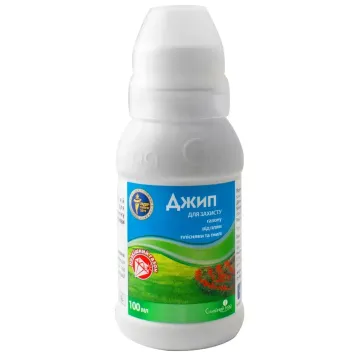
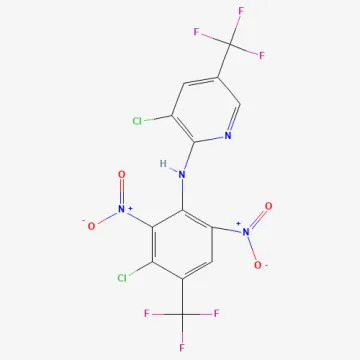
Fluazinam is a contact fungicide belonging to the phenylpyridinamine class. It functions by creating a protective layer on the plant surface, effectively preventing pathogens from penetrating into the internal tissues.
The mode of action involves the uncoupling of oxidative phosphorylation within the mitochondria of fungal cells. By disrupting the pathogen’s respiratory chain, the active substance quickly neutralizes the threat, leading to the death of the fungus.
A distinctive feature of fluazinam is its exceptional ability to inhibit the motility of oomycete zoospores. This prevents the spread of secondary infections during rainy weather, which is crucial for managing outbreaks in high-humidity conditions.
Since fluazinam lacks systemic properties, its effectiveness is highly dependent on thorough coverage of the foliage. Using high-quality nozzles to ensure a fine, even spray pattern is recommended for optimal results.
Due to its multi-site mechanism of action, the risk of pathogens developing resistance to fluazinam is extremely low, making it an essential tool in integrated resistance management strategies.
What it targets
Fluazinam is primarily used to combat diseases caused by oomycetes, such as late blight and various types of downy mildew. It is a cornerstone for protecting potatoes, vegetables, and other field crops.
In potato cultivation, the substance is used to control both leaf blight and tuber infection. Protecting tubers is particularly important to prevent rot during the post-harvest storage period.
The fungicide also demonstrates high efficacy against Alternaria species, which often cause significant yield losses if left untreated. It provides a robust barrier against both primary and secondary disease spread.
Fluazinam also helps in suppressing the development of various rots that occur when plant parts come into contact with contaminated soil, especially in areas with poor drainage.
Regular application helps maintain a low overall disease pressure in the field, ensuring that the crop can reach its full genetic potential throughout the growing season.
Rates and timing
Application rates for fluazinam are determined based on the crop growth stage and the level of infection risk. Preventive application is strongly advised before the onset of visual symptoms.
The recommended spray interval usually ranges from 7 to 10 days, depending on climatic conditions. In periods of rapid growth or favorable weather for pathogens, shorter intervals may be necessary.
It is vital to use enough water volume to ensure complete surface wetting. For dense crop canopies, increasing the spray volume is necessary to achieve adequate coverage of lower leaves.
Users must adhere to the maximum number of seasonal applications to comply with residue regulations and environmental safety standards, rotating with other chemical groups when appropriate.
Always consult the specific product label for regional restrictions and specific dosage rates for the target crop to ensure efficacy and regulatory compliance.
Restrictions
When handling fluazinam, operators must wear appropriate personal protective equipment (PPE), including gloves, goggles, and respiratory protection, as the substance can be irritating to the skin and eyes.
The fungicide is toxic to aquatic organisms and bees. Therefore, it is strictly prohibited to apply it near water bodies or during periods when pollinators are active in the field.
Fluazinam should not be mixed with highly alkaline products. A compatibility test should always be performed before mixing it with other fertilizers or pesticides in the same spray tank.
The chemical must be stored in its original packaging in a cool, dry, and well-ventilated area, safely separated from food, feed, and other incompatible materials.
Disposal of empty containers and chemical residues must strictly follow local environmental legislation to prevent any contamination of soil, surface water, or groundwater supplies.
Regulatory
Status in the European Union
Approved in the EU
- CAS number
- 79622-59-6
- Approved from
- 01.03.2009
- Approval until
- 30.11.2027
- ADI
- 0.01 mg/kg bw/day
- ARfD
- 0.07 mg/kg bw
- AOEL
- 0.004 mg/kg bw/day
Hazard classification (CLP)
Acute Tox. 4 - H332Aquatic Acute 1 - H400Aquatic Chronic 1 - H410Eye Dam. 1 - H318Repr. 2 - H361dSkin Sens. 1A - H317
EU legislation
EU status is for reference only and does not replace national registration in your country.
Content graph
Connections · Fluazinam
Most often together:
Marketplace
Products · 13


Nando 500
Нуфарм Австралія Лтд. , Австралія (місце виробництва: Чілі
Fungicides
0
0
·
43
1 offer
9.67 €per 1 l
Buy