
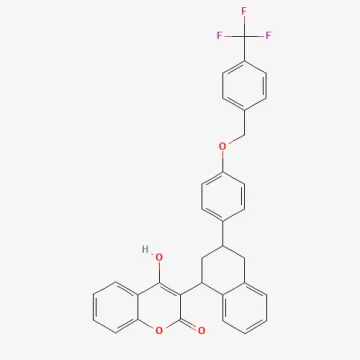
Flocoumafen
Description
Mode of action
Flocoumafen belongs to the chemical class of hydroxycoumarin derivatives and acts as a second-generation blood anticoagulant.
Its mechanism of action is based on inhibiting the synthesis of vitamin K1 in the rodent's body, which disrupts the blood coagulation process.
As a result of consuming bait containing this active substance, pests develop severe internal hemorrhages, leading to death.
Flocoumafen has high cumulative toxicity, meaning that a single feeding is often sufficient for a rodent to receive a lethal dose.
The half-life of the active component in the pest's body is prolonged, ensuring high efficacy even against populations resistant to first-generation anticoagulants.
What it targets
This substance is used to control various species of synanthropic and field rodents that pose a threat to agriculture.
Primary targets include brown and black rats, house mice, as well as field mice and common voles.
Products based on flocoumafen effectively protect storage facilities, grain elevators, farm buildings, and production areas.
Flocoumafen is also widely utilized in livestock complexes to prevent the spread of diseases carried by rodents.
In field conditions, its use is limited to localized application in burrows or specialized bait stations for population management.
Rates and timing
Flocoumafen is typically formulated as ready-to-use baits, including blocks, grain mixes, or gels.
Bait stations should be placed in areas of high rodent activity, such as along walls, near burrows, or in feed and grain storage locations.
The application rate depends on the rodent population density, the target species, and the specific formulation being used.
Baits should be replenished systematically, replacing consumed or spoiled portions until consumption ceases completely.
Deratization programs should be synchronized with rodent migration periods or peak activity during the autumn and winter months.
Restrictions
Flocoumafen is a highly toxic substance and poses a significant risk to pets, livestock, wildlife, and humans if ingested.
Safety precautions must be strictly followed when handling the product, including the use of gloves and avoiding direct skin contact.
It is strictly prohibited to place baits in areas accessible to pets, livestock, or near food supplies intended for consumption.
Remnants of bait and carcasses of deceased rodents must be disposed of via deep burial or incineration to prevent secondary poisoning.
In case of accidental exposure or if symptoms of poisoning occur, seek immediate medical attention and have the product label available.
Status in the European Union
Not approved in the EU
- CAS number
- 90035-08-8
- Category (EU)
- RO - Rodenticide
EU status is for reference only and does not replace national registration in your country.