

VIGORTEM-C
ТОВ «КВІМІКАС МЕРІСТЕМ» (QUÍMICAS MERISTEM, S.L.), Іспанія
Fertilizers
0
0
·
79
8 offers
25.81 €per 1 kg
Buy
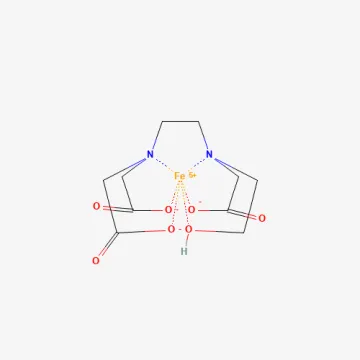
Iron in the form of HEDTA chelate (hydroxyethylethylenediaminetriacetic acid) is a highly efficient micronutrient fertilizer designed to correct iron deficiency in agricultural and ornamental crops. Unlike simple iron salts, the chelated form ensures the stability of the metal ion, preventing its premature binding within the soil.
The HEDTA molecule holds the iron ion in a chelate complex, which maintains stability across a wide pH range of the soil solution. This allows the plant to easily absorb the iron through the root system or leaf surface without the risk of forming insoluble compounds.
The mechanism of action is based on the high bioavailability of the complex, which penetrates biological cell membranes with ease. Once inside the plant, the chelate dissociates, releasing iron, which participates in essential life processes.
Iron is an essential component of chlorophyll and many enzymes responsible for cellular respiration and protein synthesis. Adequate iron supply is critical for intensive photosynthesis, especially during the early stages of crop growth.
The use of HEDTA allows for rapid restoration of normal plant metabolism, preventing the accumulation of toxic metabolic intermediates that occur during iron-deficiency chlorosis.
The primary purpose of using HEDTA-based iron products is the prevention and treatment of physiological leaf chlorosis. This disorder manifests as yellowing of the leaf blade while the veins remain green, signaling a disruption in chlorophyll synthesis.
These products are used to treat a wide range of crops, including fruit trees, berries, greenhouse and open-field vegetables, and ornamental plants. Grapes, apple trees, citrus, and rosaceous plants are particularly sensitive to iron deficiency.
The effectiveness of HEDTA chelate is proven in alkaline and calcareous soils where iron exists in forms difficult for plants to access. In such conditions, the chelated form becomes the only way to maintain proper plant nutrition.
Application of the compound improves fruit quality, increases sugar content, and enhances overall commercial appearance. Plants become more resistant to abiotic stresses, such as sharp temperature fluctuations or moisture deficits.
Application rates for HEDTA iron chelate vary depending on the severity of chlorosis and the method of application. For foliar feeding, aqueous solutions with a concentration ranging from 0.1% to 0.5% are typically used, depending on the crop.
When applying through fertigation (drip irrigation) systems, rates are calculated based on the hectare area or the volume of irrigation water, guided by soil agrochemical analysis. It is important to avoid over-application to prevent potential toxic effects.
Optimal timing for application occurs during periods of active growth and leaf canopy formation. In cases of severe chlorosis, a series of treatments at 10–14 day intervals is recommended until symptoms disappear.
When using the product in tank mixes, a compatibility test must be conducted with other pesticides and fertilizers. HEDTA chelates can be sensitive to strong oxidizing agents or high calcium salt content in water.
Storing the working solution for extended periods is not recommended, as the activity of the chelate complex may decrease under the influence of sunlight or high temperatures.
The main limitation is the strict requirement for temperature management during application. Foliar treatments are best performed in the early morning or evening hours to avoid leaf burn and ensure maximum absorption.
It is forbidden to mix HEDTA iron chelate with copper-based fungicides without prior testing, as copper can displace iron from the chelate complex, rendering it ineffective.
When working with these products, personal protective equipment (gloves, goggles, protective clothing) must be used. Despite low environmental toxicity, contact of concentrated solutions with water bodies should be avoided.
In case of contact with skin or mucous membranes, rinse immediately with plenty of running water. The fertilizer should be stored in a dry, dark place, out of reach of children and animals.
Applying the product during the flowering period is generally discouraged, unless otherwise specified in the manufacturer's regulations, to minimize the risk of damaging pollen or reducing pollination quality.


