
Crimidine
Description
Mode of action
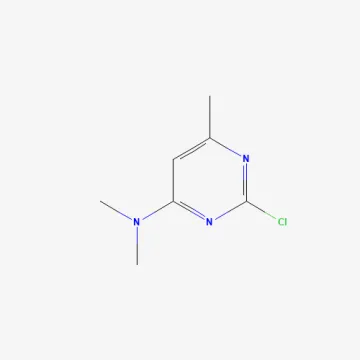
Crimidine (2-chloro-4-dimethylamino-6-methylpyrimidine) is a chemical compound belonging to the pyrimidine derivative class, primarily functioning as an acute rodenticide. It is recognized for its high toxicity and rapid lethal effect on rodent populations, making it a critical tool for urgent pest management.
The mode of action of crimidine is predominantly neurotoxic. Upon ingestion, the active ingredient interferes with the central nervous system of the target pest. It causes rapid onset of symptoms, including convulsions and subsequent respiratory and cardiac paralysis, resulting in mortality shortly after consumption.
Unlike anticoagulant rodenticides that require multiple feedings over several days, crimidine achieves its effect in a much shorter timeframe. This acute action is particularly advantageous in situations where an immediate reduction in the population density of rats or mice is required.
Chemical stability is a hallmark of crimidine in prepared baits. This allows the product to maintain its effectiveness under diverse environmental conditions, including storage facilities where humidity levels might impact the integrity of other, less stable rodenticides.
Due to its high biological potency, crimidine is intended for professional use only. It acts as a contact or ingestion poison, and its handling requires sophisticated equipment to ensure that the bait remains attractive to pests while posing no risk to non-target organisms.
What it targets
Crimidine is effective against a variety of murine rodents, including Rattus norvegicus (brown rat), Rattus rattus (black rat), and Mus musculus (house mouse). It is typically deployed in non-residential areas such as large warehouses, granaries, and agricultural processing facilities.
Restrictions
Handling crimidine requires strict adherence to safety protocols due to its extreme toxicity to humans and other mammals. Personnel involved in the application process must be fully trained and equipped with personal protective equipment (PPE) at all times to prevent accidental poisoning.
The use of crimidine in residential buildings, food preparation areas, or locations accessible to livestock and pets is strictly prohibited. Baits must be secured in tamper-resistant stations to prevent accidental consumption by non-target species.
A crucial component of crimidine use is the regular inspection and recovery of carcasses. Since the bait is highly potent, carcasses may still contain residues of the chemical, posing a risk of secondary poisoning to scavengers or predators in the surrounding ecosystem.
Waste management after the application of crimidine must follow local environmental regulations. All bait remnants, contaminated containers, and collected rodent carcasses should be disposed of through incineration or at designated hazardous waste facilities to ensure safety.
Environmental protection is paramount when using crimidine. Measures must be taken to ensure that the chemical does not leach into groundwater or surface water sources. Any accidental spillage must be remediated immediately using appropriate chemical decontamination procedures.
Status in the European Union
Not approved in the EU
- CAS number
- 535-89-7
- Category (EU)
- RO - Rodenticide
EU status is for reference only and does not replace national registration in your country.