
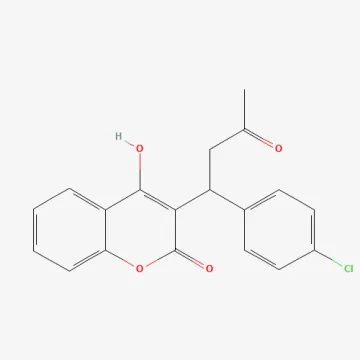
Coumachlor
Description
Mode of action
Cumachlor belongs to the chemical class of coumarin derivatives and organochlorine compounds used in plant protection primarily as a herbicidal agent. Its mechanism of action is based on a systemic effect on the physiological processes of weed plants.
The substance penetrates weed tissues through the root system and aerial vegetative mass, blocking the normal synthesis of enzymes necessary for growth. This leads to the cessation of cell division in growth points, causing gradual wilting and death of the weed.
When entering the soil, the compound shows pronounced selective activity. It acts primarily on young weed seedlings, disrupting photosynthesis and energy metabolism in the plant cell at the earliest stages of development.
Unlike contact herbicides, cumachlor has high selectivity, allowing crops to develop without competition from weeds during critical growth phases. Systemic transport via phloem and xylem ensures even distribution of the active substance.
The effectiveness of the product depends on soil moisture and ambient temperature, as these factors determine the rate of absorption of the active substance by the plant's root system.
What it targets
This group of substances is used to control a wide range of annual broad-leaved and grass weeds that compete with agricultural crops for nutrients, light, and moisture.
Cumachlor is effective against species such as lambsquarters, pigweed, various knotweed species, and other weeds infesting cereal, vegetable, and certain technical crops.
The product is particularly effective in controlling weeds in the seed germination phase. Its use significantly reduces the number of mechanical inter-row cultivations required.
Furthermore, the use of cumachlor helps suppress certain thistle species, making it an important tool in integrated plant protection systems.
- Redroot pigweed
- Common lambsquarters
- Black bindweed
- Barnyard grass types
Rates and timing
Application rates for the product vary depending on soil type, specific field weed infestation, and the growth stage of the main agricultural crop.
Application is usually carried out before crop emergence or immediately after sowing, ensuring even distribution of the spray solution across the treated area.
A crucial requirement is the careful calibration of spraying equipment to prevent overdose, which could negatively affect the development of the crop itself.
Application timing is determined by the product's agronomic data sheet and weather forecasts. It is not recommended to apply during high winds or if there is a risk of precipitation immediately after application.
If combined use with other plant protection products is necessary, compatibility tests of the tank mix components must be conducted to prevent precipitation.
Restrictions
When working with cumachlor, strictly follow personal safety rules, including the use of personal protective equipment for skin and respiratory organs.
Unauthorized personnel and animals are prohibited from entering treated fields during the established waiting period, which ensures the degradation of active substances to safe levels.
Avoid drift of the spray solution onto neighboring agricultural crops sensitive to this class of compounds, as this may cause phytotoxic effects.
Residues of the product and empty containers must be disposed of in accordance with environmental regulations, preventing chemicals from entering water bodies or drinking water sources.
Regular monitoring of soil condition after applying the product allows for the assessment of active substance accumulation and excludes negative impacts on crop rotation in subsequent seasons.
Status in the European Union
Not approved in the EU
- CAS number
- 81-82-3
- Category (EU)
- RO - Rodenticide
EU status is for reference only and does not replace national registration in your country.