
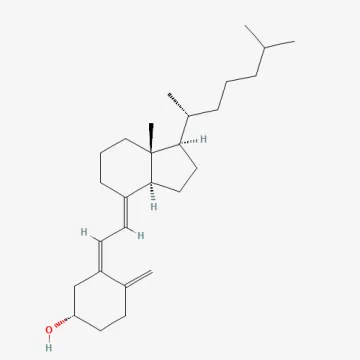
Cholecalciferol
Description
Mode of action
Cholecalciferol, also known as vitamin D3, serves as an active ingredient in specialized rodenticides used for agricultural pest management.
The mechanism of action relies on inducing hypercalcemia, an excessive buildup of calcium in the blood, after the rodent ingests the toxicant.
This surge in calcium causes the mineralization of soft tissues, resulting in kidney failure, cardiovascular damage, and eventually death.
Unlike anticoagulant rodenticides, cholecalciferol affects systemic calcium metabolism, making it effective against rodent populations that have developed resistance.
Due to its biological mode of action, it is frequently used in resistance management programs for integrated pest control on farms.
What it targets
Cholecalciferol is primarily used to control populations of various rodent species, including rats, house mice, and field voles, in agricultural settings.
Common application sites include grain elevators, storage facilities, livestock barns, and feedlots where rodent presence causes significant damage.
The substance is effective in environments where secondary toxicity risks must be managed, as it is less prone to accumulate in predators compared to anticoagulants.
It is specifically recommended for use in areas where rodents have become unresponsive to standard rodenticides like warfarin.
Effective usage helps safeguard stored grain and infrastructure from the destructive habits of rodents, ensuring high sanitary standards.
Rates and timing
Commercial formulations typically contain cholecalciferol at low concentrations to balance efficacy with safety for the surrounding environment.
The bait should be placed in areas of high rodent activity, specifically within tunnels, nesting sites, or designated tamper-resistant bait stations.
Monitoring the bait stations is crucial; supplies should be replenished regularly to ensure rodents have access to a lethal dose.
The application timing is flexible and based on the detected level of infestation, allowing for year-round usage inside structures.
Consistency is key to the success of the treatment, as complete colony eradication requires constant availability of the bait over several days.
Restrictions
Handling cholecalciferol requires strict adherence to safety protocols, as it can be toxic to domestic animals and livestock if ingested.
Bait stations must be securely anchored and designed to prevent accidental access by non-target wildlife, pets, or livestock.
Operators must wear personal protective equipment, including chemical-resistant gloves, to avoid skin contact and prevent accidental ingestion.
Storage of the product must be in a secure location away from food, animal feed, and water supplies to prevent contamination.
In the event of accidental exposure or ingestion, medical or veterinary attention should be sought immediately to mitigate potential systemic effects.
Status in the European Union
Not approved in the EU
- CAS number
- 67-97-0
- Category (EU)
- RO - Rodenticide
EU status is for reference only and does not replace national registration in your country.