
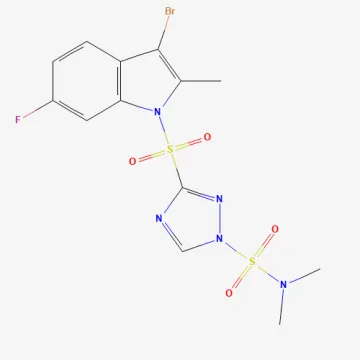
Description
Mode of action
Amisulbrom is a synthetic fungicide belonging to the sulfonamide chemical class. It is characterized by high biological activity against specific groups of plant pathogens.
The mode of action involves the inhibition of cellular respiration within the pathogen. By disrupting the cytochrome complex in the mitochondria, it effectively starves the fungus of energy needed for growth.
This compound possesses high lipophilicity, allowing it to adhere firmly to the plant surface. This property creates a persistent protective barrier that resists degradation by environmental factors and rainfall.
Amisulbrom provides excellent anti-sporulant effects, preventing the spread of secondary infections. It acts quickly on the target fungus, preventing further spore production and colonization of healthy tissue.
Due to its distinct mode of action compared to older fungicide classes, it is highly effective in integrated pest management programs designed to combat resistant fungal strains.
What it targets
Amisulbrom is specifically engineered to target oomycete pathogens. It is widely used in protecting various horticultural and industrial crops from devastating diseases.
Key targets include Phytophthora infestans, the causal agent of late blight in potatoes and tomatoes. It is also highly effective against downy mildew in various vegetable crops and grapes.
The substance can also be utilized for managing root rot diseases caused by Pythium species in greenhouse environments where high humidity promotes rapid pathogen spread.
Its efficacy on different types of crops makes it a versatile tool for farmers managing complex disease profiles in both open fields and protected greenhouse settings.
- Late blight (Phytophthora infestans).
- Downy mildew (Peronospora spp.).
- Grapevine downy mildew (Plasmopara viticola).
- Oomycete-related root rots.
Rates and timing
Application rates for Amisulbrom are typically determined by the target crop and the severity of the infection. Common usage rates range from 0.3 to 0.6 liters or kilograms per hectare.
Preventive application is strongly recommended to achieve the best results. The treatment should start before disease onset or during the very early stages of pathogen development.
Depending on the growth stage and environmental conditions, application intervals generally range from 7 to 10 days. Under high infection pressure, intervals should be reduced to maintain efficacy.
The preparation of the spray solution requires careful dilution in water. Ensuring thorough and uniform coverage of the plant foliage is essential for the product to be fully effective.
Harvest intervals (Pre-harvest intervals) must be strictly observed, typically ranging from 7 to 21 days depending on local regulatory requirements and specific crop types.
Restrictions
Amisulbrom is classified as moderately toxic, necessitating the use of personal protective equipment (PPE) during handling, mixing, and application to minimize human exposure.
The compound is toxic to aquatic life. Strict buffer zones must be maintained near water bodies to prevent environmental contamination and protect aquatic biodiversity.
Storage should be in a cool, dry, and secure location, kept away from direct sunlight and out of reach of children or unauthorized personnel in its original packaging.
When tank-mixing with other agrochemicals, compatibility tests are crucial. Mixing with highly alkaline substances should be avoided as it may deactivate the active ingredient.
Disposal of empty containers and leftover solutions must follow local environmental regulations to prevent soil and water contamination, ensuring sustainable agricultural practices.
Regulatory
Status in the European Union
Approved in the EU
- CAS number
- 348635-87-0
- Approved from
- 01.07.2014
- Approval until
- 15.09.2026
- ADI
- 0.1 mg/kg bw/day
- ARfD
- 0.3 mg/kg bw
- AOEL
- 0.15 mg/kg bw/day
Hazard classification (CLP)
Aquatic Acute 1 - H400Aquatic Chronic 1 - H410Carc. 2 - H351Eye Irrit. 2 - H319
EU status is for reference only and does not replace national registration in your country.
Reference
Connections · Amisulbrom
Most often together:
Marketplace