
Ypsolopha
Ypsolopha
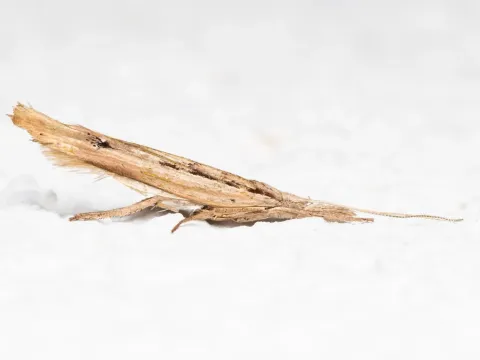
Ypsolopha is a genus of moths belonging to the family Ypsolophidae. These small insects are characterized by their narrow wings and specific resting posture, where the moth mimics a small twig or piece of debris, making it difficult to detect.
What the section contains
Ypsolopha
The larvae, or caterpillars, are slender and possess a high degree of mobility. They are usually light in color, blending in with the leaf tissue of their host plants, which is an effective evolutionary strategy against predators.
The life cycle consists of four distinct stages: egg, larva, pupa, and adult. Most species in this genus overwinter as pupae, sheltered in tough, silken cocoons hidden within bark crevices or among dry leaf litter.
The reproductive strategy of Ypsolopha is well-tuned to the host plant's phenology. Eggs are typically laid on the buds or leaves, ensuring that hatching larvae have immediate access to fresh foliage.
The genus is diverse, and while many species are harmless, those that feed on agricultural crops or ornamental trees can cause significant economic damage during years of population outbreaks.
Ypsolopha moths primarily infest deciduous trees and shrubs. Common host plants include apple and pear trees, as well as various ornamental species such as willow, poplar, and honeysuckle.
The damage is caused by larvae feeding on the leaf tissues. They skeletonize the leaves, consuming the parenchyma while leaving the larger veins intact, which significantly reduces the tree's photosynthetic capability.
Early season damage to buds is particularly detrimental, as it can stunt the growth of young shoots and affect the overall health and vigor of the plant, potentially leading to yield loss.
In nursery settings, Ypsolopha can be a serious issue, as the feeding damage causes structural deformation of the growing tips, which affects the commercial value of the saplings.
Besides leaf damage, the creation of webbed nests provides protection for the larvae but significantly reduces the visual and aesthetic appeal of ornamental plantings in urban and garden environments.
The most visible sign of an infestation is the presence of silk webbing, which the larvae use to tie leaves together or create protective shelters. This webbed foliage is a clear indicator that caterpillars are present.
Small, irregular holes in the leaves, often accompanied by the presence of larval excrement (frass) on the undersides or on leaves below, indicate active feeding sites.
When disturbed, the larvae often drop from the leaves on a silk thread, a defensive behavior that helps them escape from predators or mechanical disturbances.
Adult moths may be spotted during the twilight hours, flying in short, jerky patterns around the host tree, marking the time for mating and egg-laying cycles.
During the dormant season, careful inspection of the tree bark can reveal the presence of pupal cocoons, which are often overlooked due to their camouflaged coloration and small size.
Effective management begins with good horticultural practices, such as the removal and destruction of infested leaf litter and the cleaning of bark to eliminate wintering sites for the pupae.
Biological control using microbial insecticides based on Bacillus thuringiensis is a highly recommended approach for managing larvae without harming beneficial insects or the environment.
In cases of severe infestation, chemical control with selective insecticides may be necessary. However, such applications should be timed carefully to avoid harming pollinators and other non-target species.
Promoting a healthy garden ecosystem by encouraging birds and predatory insects like lacewings and parasitic wasps helps to maintain a natural balance and keep pest populations low.
Regular monitoring through visual inspections and the use of light or pheromone traps can help track the pest population and ensure that intervention occurs at the most vulnerable stage of the life cycle.