
Neopulvinaria
Neopulvinaria
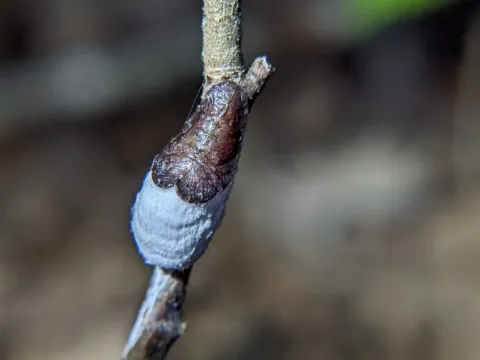
Neopulvinaria is a genus of insects belonging to the soft scale family (Coccidae) in the order Hemiptera. These small pests are distinguished by the presence of a characteristic white waxy ovisac produced by the females, which is often significantly longer than the insect's own body.
What the section contains
Neopulvinaria
Adult females typically appear as small brown or yellowish plaques firmly attached to the bark or leaves. Males are rarely encountered, and reproduction in this genus occurs primarily through parthenogenesis.
The female's body is protected by a chitinized shell, providing resistance to various environmental stresses. Their coloration often mimics the texture and shade of plant tissues, making detection difficult in the early stages of infestation.
The nymphs, known as crawlers, are microscopic and highly mobile during the early stages of their life cycle. This crawler stage is responsible for the rapid spread of the pest across the plant canopy and to adjacent plants.
Accurate species identification usually requires microscopic examination of morphological traits, as visual appearance is often similar to other related soft scale species.
Neopulvinaria affects a wide range of ornamental, fruit, and forest crops, particularly members of the Rosaceae family. These pests primarily inhabit young shoots, leaf stalks, and the undersides of leaf blades.
Feeding occurs through the insertion of mouthparts into plant tissues to extract sap. This process leads to general plant weakness, stunted growth, and loss of cell turgor.
During their feeding process, the pests excrete large amounts of honeydew, which serves as a substrate for sooty mold development. The black fungal layer blocks sunlight, further inhibiting photosynthesis.
Mass infestations often result in premature leaf drop and the drying of shoot tips. In nursery environments, such damage can destroy the aesthetic and commercial value of the stock.
Prolonged infestation weakens the plant's natural immune system, making it susceptible to secondary pathogens and further stress from environmental conditions.
The life cycle of Neopulvinaria is closely aligned with the phenological phases of its host plants. Typically, second-instar nymphs or fertilized females overwinter in a state of diapause on the bark of branches.
In spring, as temperatures rise, the insects become active, feed, and prepare for reproduction. By early summer (usually May or June), they deposit eggs into their characteristic white waxy ovisacs.
The crawler emergence period occurs during the first half of summer. This is the most active phase for dispersal, as the young crawlers are easily carried by wind or insect vectors.
Depending on the climatic zone, one or two generations may occur per season. Moderate temperatures combined with high humidity favor rapid population growth.
As autumn approaches, young nymphs migrate to sheltered areas on the bark or near the base of buds to prepare for the winter, marking the end of the seasonal cycle.
The first noticeable sign of infestation is the appearance of white, cotton-like formations on branches and leaves. These are the female ovisacs, which are easily visible to the naked eye.
The presence of sticky honeydew on foliage is a strong indicator of active pest colonies. Over time, this honeydew turns black due to the colonization of sooty mold fungus.
Deformation and curling of young leaves, along with yellowing and premature leaf fall, are consequences of high pest density on the affected plant.
Reduced shoot growth and loss of typical foliage color are indirect signs of the plant's overall stress caused by the depletion of nutrient resources.
During bark inspection, clusters of insects can often be found in branch forks, where they find refuge from direct sunlight and natural predators.
Effective management of Neopulvinaria requires an integrated approach, combining cultural, biological, and chemical methods. Regular monitoring of plantations is essential for early detection.
Cultural measures include pruning and disposing of heavily infested branches. Maintaining overall plant health is vital, as stressed plants are more prone to scale insect attacks.
Chemical control is most effective during the crawler stage, before they develop their protective waxy cover. Systemic insecticides with contact and stomach action are generally recommended.
Biological control involves the use of natural enemies, such as parasitic wasps or predatory lady beetles, which can significantly suppress pest populations.
- Cleaning bark of dead layers.
- Application of mineral oils in early spring.
- Use of pheromone traps for monitoring.
- Maintaining proper spacing in nurseries to limit spread.