
Helicomyia
Helicomyia
Helicomyia is a genus of insects belonging to the family Cecidomyiidae (gall midges), which are part of the order Diptera. These are minute, delicate flies that are highly specialized in their interactions with host plants.
What the section contains
Helicomyia
Adult midges are fragile with long, slender legs and antennae. Their small size makes identification at the species level challenging, often requiring expert analysis of morphological characteristics, particularly the genitalia.
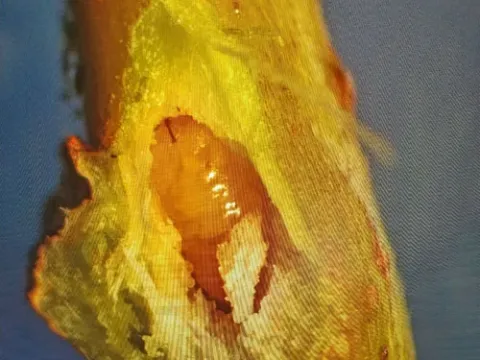
The larval stage is the most recognizable in terms of the damage it causes. Larvae are typically legless and maggot-like, ranging in color from white to orange, and spend their life cycle enclosed within host tissue.
The biology of these insects is deeply synchronized with the host plant's phenology. Depending on the species and environmental conditions, Helicomyia can complete one or multiple generations per year.
Many gall midges exhibit strict host-plant specificity, meaning they only thrive on particular tree or shrub species, which is a key factor in predicting potential infestations in specific agricultural zones.
The primary hosts for Helicomyia are various species of willow and occasionally other woody plants. The damage is caused by larvae that feed internally on plant tissue, inducing the growth of galls.
Galls serve as both a food source and a protective shelter for the larvae. This process diverts nutrients away from normal plant growth, leading to stunted shoots, deformed leaves, and overall reduction in plant vigor.
In nurseries and forest plantations, heavy infestations can lead to significant economic loss. Distorted growth ruins the commercial aesthetic value of ornamental trees and complicates the propagation of healthy stock.
As the larvae feed, they disrupt the vascular tissue of the host plant, which inhibits normal sap flow and increases the tree's susceptibility to drought, cold, or secondary pathogens.
In severe cases, the cumulative effect of gall formation leads to early leaf senescence and twig dieback, potentially killing small or young specimens if left unmanaged over several growing seasons.
The most prominent sign of a Helicomyia infestation is the presence of galls—abnormal, tumor-like swellings on buds, leaves, or stems. These structures vary in size and shape depending on the specific host.
Twisted, curled, or rosette-like deformations of young shoots are classic indicators. These symptoms often appear during the spring and early summer when the plant is experiencing its most rapid growth.
Discoloration around the infested area is common, as the plant reacts to the chemical substances introduced by the larvae during feeding. Affected tissues often lose their deep green color and may turn yellowish or brown.
During peak flight times, tiny midge adults may be observed swarming near the canopy of host plants. However, their small size and nondescript appearance often result in them going unnoticed by growers.
Checking for the presence of larvae inside a suspected gall by carefully slicing it open will reveal the causal agents of the malformation, confirming the identity of the pest.
Sanitation is the most effective cultural control method. Regularly inspecting plants and pruning away infested branches or galls before the adult midges emerge helps prevent the pest's spread.
Proper disposal of infested plant material is crucial; burning or deep burial is recommended to ensure that larvae do not complete their life cycle or emerge in subsequent seasons.
Chemical control involving systemic insecticides can be applied during the adult flight period or the early larval stage to interrupt the infection cycle before extensive gall formation occurs.
Encouraging natural predators, such as parasitic wasps and predatory bugs, can help maintain Helicomyia populations below an economic threshold in managed landscapes.
Maintaining high standards of plant health through proper fertilization and irrigation helps trees withstand minor infestations and recover more quickly from potential damage caused by gall midges.