
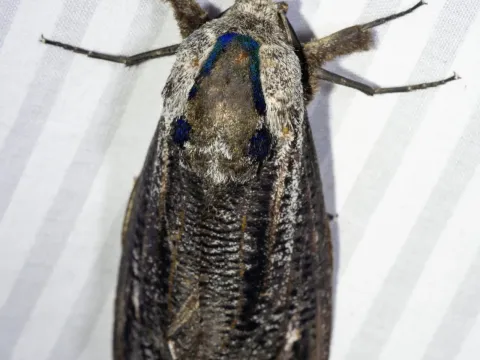
Giant Eucalyptus Moth
Endoxyla encalypti
The Giant Eucalyptus Moth (Endoxyla encalypti) is a member of the Cossidae family, known for its significant size. Adult moths possess cryptic coloration that provides exceptional camouflage against the bark of eucalyptus trees during the day.
What the section contains
Giant Eucalyptus Moth
The larvae, which are the primary pest stage, are large, wood-boring caterpillars. They have strong, developed mandibles designed to tunnel through dense wood, allowing them to remain protected inside the host tree for a prolonged period.
Taxonomically, this species belongs to the order Lepidoptera. Its life cycle is perfectly adapted to the host, as the moth prefers mature or stressed eucalyptus trees where the larvae can feed and grow undisturbed for several years.
Biology of the insect is centered around a long larval stage. While the adult moths do not feed and have a short lifespan dedicated solely to reproduction, the caterpillars can reach lengths of up to 15 centimeters.
The insect follows a complete metamorphosis cycle. Females lay eggs in bark crevices, and upon hatching, the young larvae immediately begin to drill inward, which protects them from environmental stressors and most natural predators.
The primary hosts of this pest are trees of the genus Eucalyptus. In its native habitat, the insect can cause extensive damage to both natural forests and commercial plantations, affecting the structural integrity of the timber.
Larval feeding causes the formation of large tunnels inside the trunk and branches. This mechanical damage disrupts the vascular system of the tree, significantly hindering the movement of water and nutrients throughout the plant.
In cases of heavy infestation, the tunnels weaken the tree's wood to such an extent that it may become susceptible to stem breakage during high winds. This poses a major safety risk in parklands and urban areas.
Beyond physical damage, the galleries created by the larvae provide entry points for opportunistic pathogens, such as fungi and decay-causing bacteria, which can lead to the rapid decline and death of the tree.
Economic losses are tied to the reduced quality of the timber for wood products and the loss of aesthetic value for decorative eucalyptus species, often requiring expensive intervention to manage the population.
A primary sign of infestation is the presence of small entry holes on the bark surface. These holes are typically accompanied by frass (larval waste) and wood shavings at the base of the tree or caught in bark fissures.
Trees often respond to the invasion by exuding kino (a dark resinous sap) from the site of the larval entry. Seeing this sap flow is a clear indicator that the tree is under attack and attempting to defend itself.
Crown dieback or the yellowing of individual branches are signs that the internal vascular system has been compromised. If the larval tunnels have girdled a section of the trunk, the affected parts will eventually wither.
The sound of active boring can sometimes be heard in the forest if the infestation density is high. However, identifying adults is difficult due to their nocturnal activity and camouflage, making visual inspections of the bark the best detection method.
Distortion of the bark or unusual thickening of the trunk in specific zones often indicates that a larva has been active at that location for an extended time, as the tree attempts to heal the area around the tunnel.
Sanitation is a critical control measure. Heavily infested trees should be removed and destroyed to prevent the emergence of adult moths, which could potentially spread the population to surrounding healthy trees.
For high-value trees, systemic insecticide injections are the most effective method. These treatments deliver the chemical directly into the tree's transport system, reaching the larvae inside their hidden galleries.
Maintaining optimal tree vigor through proper watering and fertilization is essential. Healthy trees are significantly better at resisting initial larval entry and can often withstand minor infestations without long-term decline.
Biological control methods, such as encouraging local predatory birds or parasitoid wasps, can help keep moth populations in check over time, acting as a natural buffer against mass outbreaks.
- Perform regular bark inspections during the warmer months.
- Seal larval holes with wound paint if the tree is salvageable.
- Dispose of infested cut wood promptly by burning or chipping.