
Yezabura
Yezabura
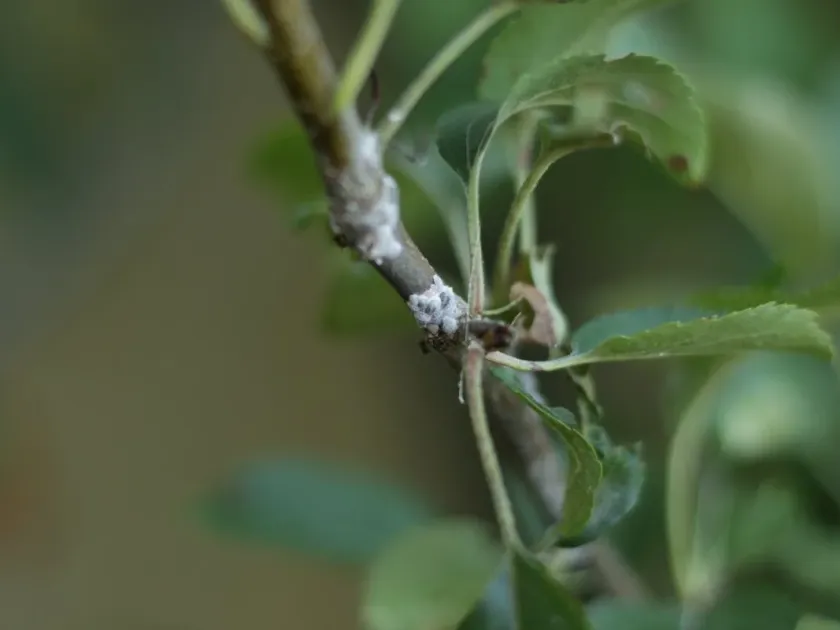
Description
How to identify
Yezabura is a genus of moths belonging to the Pyralidae family, known for their specific adaptation to agricultural environments where they act as crop pests.
The life cycle of this insect consists of four developmental stages: egg, larva, pupa, and adult, with the larval stage being the most active period of feeding.
Adult moths typically have slender wings and are nocturnal or crepuscular, often remaining hidden in vegetation during the day to avoid avian and insect predators.
Morphological characteristics include camouflaged wing patterns that blend with dry plant tissues, making them difficult to spot during routine field inspections.
Environmental factors such as temperature and humidity significantly influence the speed of development, often dictating the number of generations per year.
What it damages
Larvae of Yezabura primarily target cereals and select technical crops, where they penetrate stems to feed on the internal tissues, disrupting plant health.
By consuming vascular tissues, the larvae interfere with the transport of water and essential nutrients, leading to reduced overall yield and quality.
Structural integrity of the plant is often compromised, leading to stem breakage and lodging, which can cause significant financial losses during mechanical harvesting.
The wounds created by larvae serve as entry points for various pathogenic fungi and bacteria, which can accelerate the decay of the plant's vascular system.
Severe infestations often result in stunted growth and a noticeable reduction in grain filling, ultimately impacting the market value of the harvest.
Signs of infestation
The initial sign of infestation is typically the wilting or yellowing of the central shoot, often referred to as the 'dead heart' symptom in young plants.
External indicators include small holes in the stem surface, often accompanied by frass or sawdust-like debris expelled by the larvae during feeding.
Splitting the stem reveals internal tunneling and the presence of larvae, which provides clear confirmation of Yezabura activity within the crop.
Patches of uneven plant height across the field may indicate localized clusters of infestation that require immediate attention and scouting.
- Wilting central leaves
- Entrance holes on stems
- Accumulation of larval frass
- Internal stem tunneling
- Lodging of mature plants
Control measures
Effective management of Yezabura requires a multi-faceted approach, emphasizing prevention through sound agronomic practices and habitat disruption.
Crop rotation is one of the most effective ways to break the life cycle of the pest, preventing larvae from finding suitable hosts for subsequent generations.
Deep tillage after the harvest is crucial as it buries crop residues, effectively destroying overwintering pupae and reducing the population for the next season.
The use of pheromone traps serves as an essential tool for monitoring adult activity, allowing farmers to time chemical applications for maximum impact.
When necessary, systemic insecticides should be applied during the window when larvae have hatched but have not yet fully penetrated deep into the stems.
Taxonomy
- Latin name
- Yezabura
- Order
- Hemiptera (bugs, aphids, leafhoppers)
- Family
- Aphididae
- EPPO code
- YEZASP
Discussion
No discussions yet — be the first.