
Yellow-striped leafhopper
Yamatotettix flavovittatus
Description
How to identify
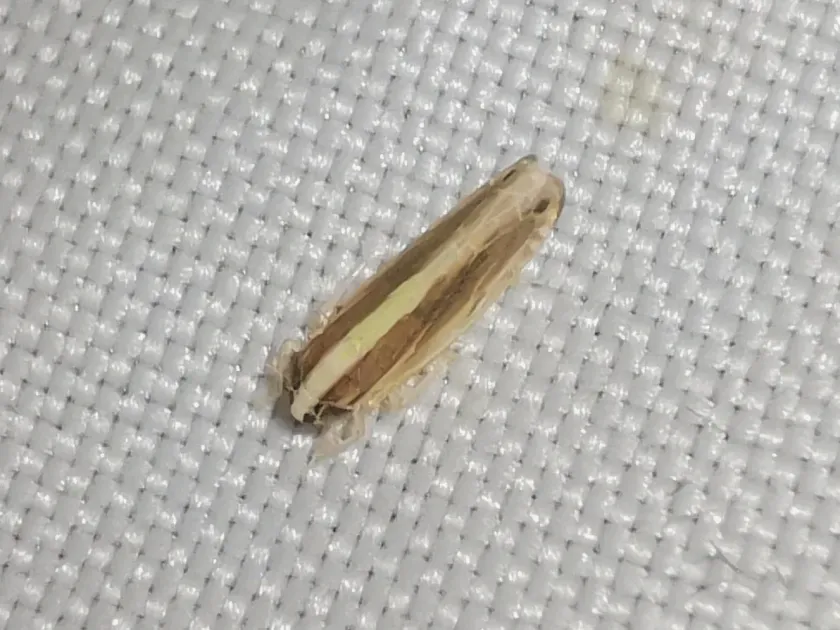
The yellow-striped leafhopper (Yamatotettix flavovittatus) is a species of insect belonging to the order Hemiptera and the family Cicadellidae.
Adults are recognized by their elongated bodies and a distinct pattern of yellow stripes along the dorsum, which serves as a key diagnostic feature.
These insects are highly agile, equipped with hind legs adapted for jumping, allowing them to disperse quickly when disturbed in the canopy.
Like other leafhoppers, they possess piercing-sucking mouthparts specialized for extracting phloem sap from the host plant tissues.
Nymphal stages are wingless and smaller than adults but exhibit similar feeding behaviors and habitat preferences throughout their development.
What it damages
The primary hosts for this species include citrus trees, where they often congregate on young, actively growing shoots and foliage.
Feeding activity involves constant sap extraction, which diverts essential nutrients away from the plant and impairs its metabolic functions.
Heavy infestations can lead to significant physiological stress, reduced vigor, and stunted growth of the affected citrus trees.
The feeding sites often serve as entry points for pathogens, facilitating the spread of secondary viral or fungal infections within the orchard.
Economic damage is primarily caused by reduced tree health, leading to lower fruit yields and diminished quality of the harvested produce.
Signs of infestation
Initial symptoms of infestation include the appearance of chlorotic stippling on the leaves where the insects have probed with their stylets.
Leaves affected by high populations of the pest may show curling, yellowing, and eventual desiccation, impacting the tree's photosynthetic capacity.
The presence of honeydew secreted by the nymphs and adults encourages the growth of sooty mold, which appears as a black, powdery layer on leaves.
Premature leaf drop is a common indicator of severe infestation, often occurring during the peak activity period of the leafhopper.
Monitoring the undersides of leaves and observing the sudden jump of insects upon disturbing branches are reliable ways to confirm the presence of this pest.
Control measures
Cultural practices, including proper canopy management and the removal of water sprouts, can reduce the micro-habitats favored by this leafhopper.
Yellow sticky traps are highly effective tools for monitoring adult populations and timing the application of control measures appropriately.
Systemic insecticides are generally recommended when pest density exceeds economic thresholds, as they provide lasting protection for new growth.
Integrating biological control agents, such as predatory bugs and parasitic wasps, can help manage populations in orchards with low-to-moderate infestations.
Maintaining a regular surveillance program is crucial for early detection and preventing the establishment of large, damaging colonies in the field.
Taxonomy
- Latin name
- Yamatotettix flavovittatus
- Order
- Hemiptera (bugs, aphids, leafhoppers)
- Family
- Cicadellidae
- EPPO code
- YAMTFL
Discussion
No discussions yet — be the first.