
Aceratagallia
Aceratagallia
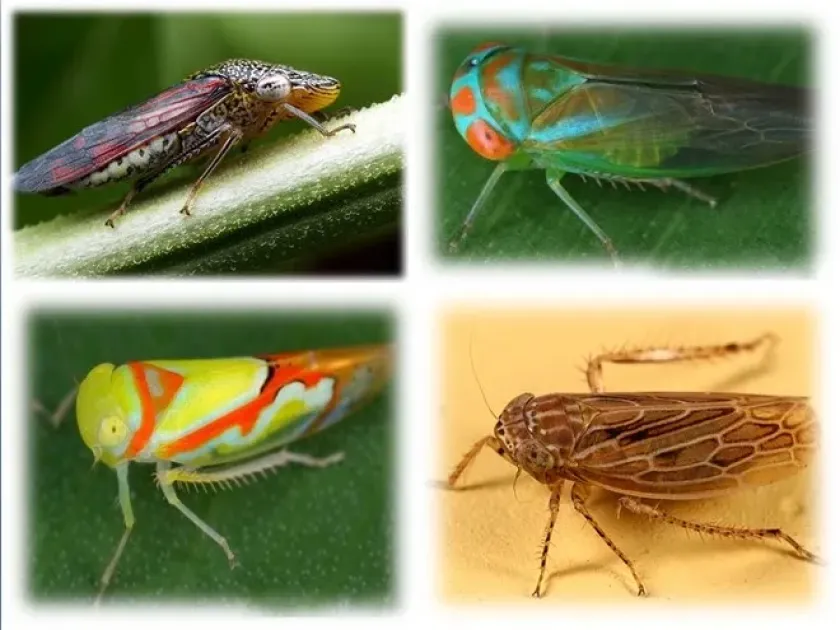
Description
How to identify
Aceratagallia is a genus of insects belonging to the leafhopper family (Cicadellidae) within the order Hemiptera. These small, jumping insects typically feature a brownish or grayish coloration, which provides excellent camouflage against plant debris and foliage.
Adult individuals are characterized by a robust body structure and well-developed hind legs, which are specifically adapted for making sudden, agile jumps when they perceive a potential threat.
Nymphs (immature stages) resemble miniature versions of the adults but lack fully developed wings and often exhibit lighter, greenish or yellowish colors that blend in with the host plant tissues.
The biology of these insects is inherently linked to the presence of vegetation, as they are obligate phytophages that feed by extracting sap from the phloem and xylem of stems and leaves.
Reproduction occurs through the insertion of eggs into plant tissues, ensuring that the offspring have immediate access to nutritional resources upon hatching.
What it damages
This pest attacks a wide variety of agricultural crops, including sugar beets, potatoes, various legumes, and numerous weed species that act as reservoirs for viral pathogens.
The primary damage is not caused by the mechanical extraction of sap, but by the insects' role as efficient vectors for phytopathogenic viruses during the feeding process.
Specifically, species within the Aceratagallia genus are recognized as major vectors of the curly top virus, which can severely devastate crop yields in affected fields.
During massive outbreaks, leafhoppers can cause general plant stunting due to nutrient depletion and the disruption of photosynthetic processes caused by vascular clogging.
Affected plants often show retarded growth, leaf yellowing, curling, or curling/distortion, ultimately leading to a sharp decline in both the quality and quantity of the harvest.
When it appears
The activity of these insects typically begins in early spring as soon as air temperatures rise enough to awaken adults that have overwintered in the soil or within plant residues.
Population peaks frequently occur during mid-summer, when environmental conditions become optimal for rapid reproduction and migration to new crop fields.
The pest can complete multiple generations within a single growing season, which presents a significant challenge for maintaining effective control over its population density.
In autumn, as temperatures drop, insect activity declines, and they either enter diapause or move to wild weeds where they survive the harsh winter conditions.
Monitoring the emergence of the first individuals is crucial, particularly during drought periods, as leafhoppers tend to migrate heavily toward irrigated crop fields to find moisture.
Signs of infestation
The initial signs of infestation include the appearance of chlorotic spots on leaves, which may merge over time to cause overall yellowing and drying of the leaf tissue.
If focal leaf curling or abnormal plant deformation is observed in the field, this may indicate a viral infection transmitted by leafhoppers during their feeding punctures.
Visual inspection of the leaf undersides often reveals the presence of adults and nymphs, which scatter or jump quickly upon the slightest mechanical disturbance of the plant.
The use of yellow sticky traps is considered the most effective method for early diagnosis, allowing growers to assess the local population density of the pest.
Another indirect sign is the accumulation of honeydew (excrement) on leaf surfaces, which often serves as a substrate for the development of sooty mold, further stressing the plant.
Control measures
The primary control strategy involves the systematic removal of weeds around the field perimeter, as these serve as critical accumulation sites before the insects migrate to crops.
The application of systemic insecticides is justified during periods of high pest density, provided that treatment protocols are followed to minimize impact on beneficial entomophagous insects.
Agrotechnical practices, such as choosing optimal planting dates and maintaining strict crop rotation, help avoid the most susceptible crop growth stages during peak vector activity.
Cultivating resistant crop varieties or hybrids can significantly mitigate the negative consequences of viral diseases spread by Aceratagallia.
- Regular field monitoring using yellow sticky traps.
- Timely mowing of weeds in surrounding areas.
- Spatial isolation of fields from high-risk areas.
- Use of insecticidal seed treatments for early protection.
Taxonomy
- Latin name
- Aceratagallia
- Order
- Hemiptera (bugs, aphids, leafhoppers)
- Family
- Cicadellidae
- EPPO code
- ACEASP
Discussion
No discussions yet — be the first.