
Xiphinema basiri
Xiphinema basiri
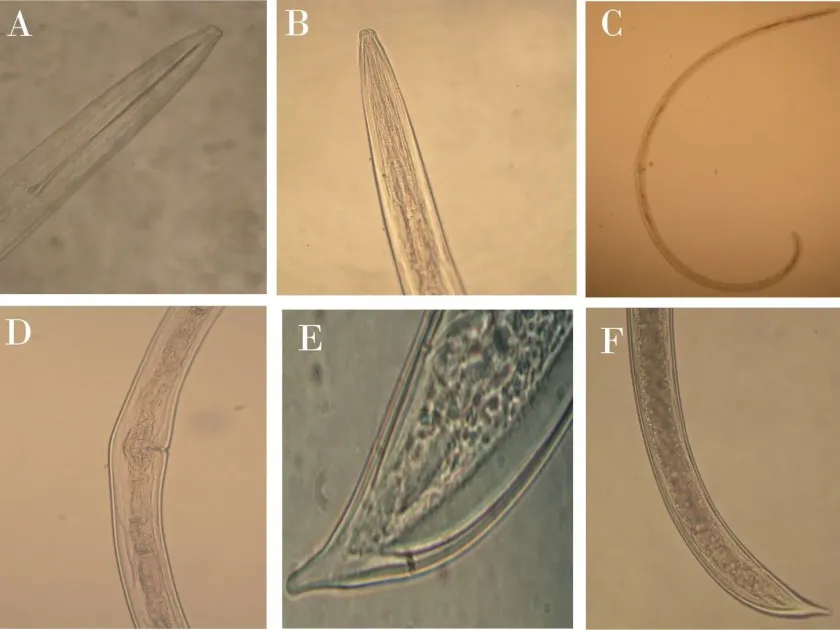
Description
How to identify
Xiphinema basiri is a nematode species belonging to the order Dorylaimida and the family Longidoridae. It is an ectoparasitic nematode that lives in the soil and utilizes a long stylet to feed on plant root tissues.
Identification of this pest is extremely difficult without laboratory diagnostic tools, as the nematodes are microscopic, worm-shaped, and transparent.
The standard identification protocol involves extracting the nematodes from soil and root samples using specific laboratory techniques such as the Baermann funnel method.
The species is defined by unique morphological features, including the structure of the lip region and the length of the odontostyle, which distinguish it from other Xiphinema species.
Nematode populations are typically concentrated in the rhizosphere, where they find favorable conditions for movement and feeding on plant roots.
What it damages
Xiphinema basiri is a polyphagous pest, meaning it attacks a wide range of hosts, including fruit trees, vineyards, ornamental plants, and various vegetable crops.
The primary damage occurs at root tips, causing cell destruction and preventing the plant from absorbing essential water and nutrients effectively.
As the nematodes feed, they leave behind microscopic wounds that can develop into necrotic lesions, severely impacting the overall health of the plant.
Besides physical damage, this nematode is a recognized vector for several plant viruses, which poses a significant threat to long-term crop productivity.
Severe infestations lead to stunted growth, leaf chlorosis, decreased yields, and in some cases, the total death of young seedlings or nursery stock.
When it appears
The activity level of Xiphinema basiri is directly proportional to soil moisture levels and temperature conditions throughout the year.
Nematodes are most active during the spring and autumn seasons when soil moisture is optimal, leading to higher feeding rates and damage to root systems.
During hot, dry summer months, activity may decline as the nematodes migrate into deeper, cooler, and more moisture-rich soil horizons.
The life cycle involves multiple larval stages, all of which are capable of feeding on roots, ensuring the pest remains a constant threat during the growing season.
Well-aerated soils with moderate pH levels provide the most favorable environment for the reproduction and population growth of these parasites.
Signs of infestation
The most common external sign of an infestation is general plant stunting, which is often misdiagnosed as nutrient deficiency or drought stress.
Careful inspection of the roots often reveals localized swelling, excessive branching, or necrotic areas, indicating nematode damage.
Chlorosis, or yellowing of the leaves, is a frequent symptom caused by the root system's inability to support the plant's nutritional requirements.
In orchards and vineyards, affected plants often appear in irregular patches that show little to no improvement despite adequate fertilization and irrigation.
Visible decline in the overall health and vigor of a planting site over several years is a strong indicator of an established nematode problem.
Control measures
The first line of defense is strict phytosanitary control: ensuring that all plant materials introduced into a field are certified and nematode-free.
Agronomic management practices, such as crop rotation with non-host species, are effective tools to reduce the population density of the parasite in the soil.
Deep plowing and effective weed control are essential measures, as weeds can act as alternate hosts for these nematodes during fallow periods.
Chemical control using nematicides should be considered as a last resort and must be implemented following strict environmental safety protocols and regulations.
Promoting a healthy soil ecosystem by incorporating organic amendments can boost beneficial microbial activity, which may naturally suppress nematode populations.
Taxonomy
- Latin name
- Xiphinema basiri
- Order
- Nematodes
- Family
- Longidoridae
- EPPO code
- XIPHBA
Discussion
No discussions yet — be the first.