
Longidorus attenuatus
Longidorus attenuatus
Description
How to identify
Longidorus attenuatus is a microscopic ectoparasitic nematode belonging to the order Dorylaimida and the family Longidoridae. These organisms have elongated, worm-like bodies, measuring up to 5–10 mm in length, making them visible to the naked eye.
They are characterized by a long, slender stylet used to feed on the root tips of host plants. They are typically found in the top 10–30 cm of the soil profile, where they actively move in search of food sources.
Their life cycle is entirely soil-borne, with development occurring through several larval stages before reaching adulthood. The reproduction rate is relatively slow, but the nematodes are highly resilient to environmental stressors.
One of the most critical aspects of L. attenuatus is its role as a vector for pathogenic viruses. It is known to transmit several plant viruses, including tomato black ring virus, which causes severe agricultural damage.
These nematodes thrive in sandy and well-drained soils, where their mobility is maximized, allowing them to effectively colonize the root zones of various host plants.
What it damages
Longidorus attenuatus has a wide host range, attacking crops such as sugar beets, potatoes, cereals, strawberries, and various vegetables. It is considered a significant threat to high-value horticulture.
The nematode feeds by piercing root tissues with its stylet and injecting saliva. This causes the cessation of root tip growth and the formation of characteristic swellings or galls, leading to a stunted root system.
Because the roots are damaged, the plant's ability to uptake water and essential nutrients is severely compromised. This leads to reduced crop vigor, biomass loss, and susceptibility to environmental stress.
Feeding injuries create entry points for secondary soil-borne pathogens, such as fungi and bacteria, which can further aggravate the decline of the plant health and crop productivity.
The economic impact is often magnified by the viral infections these nematodes carry, which can result in total crop failure if the infected plants are sensitive to the transmitted virus.
Signs of infestation
Field infestations are often marked by irregular patches of stunted plants. These patches may show significant growth disparities compared to healthy areas of the field.
The roots of affected plants typically show signs of deformation. The root tips may appear thickened, discolored (browning), and necrotic, which is often described as "stubby root" symptoms.
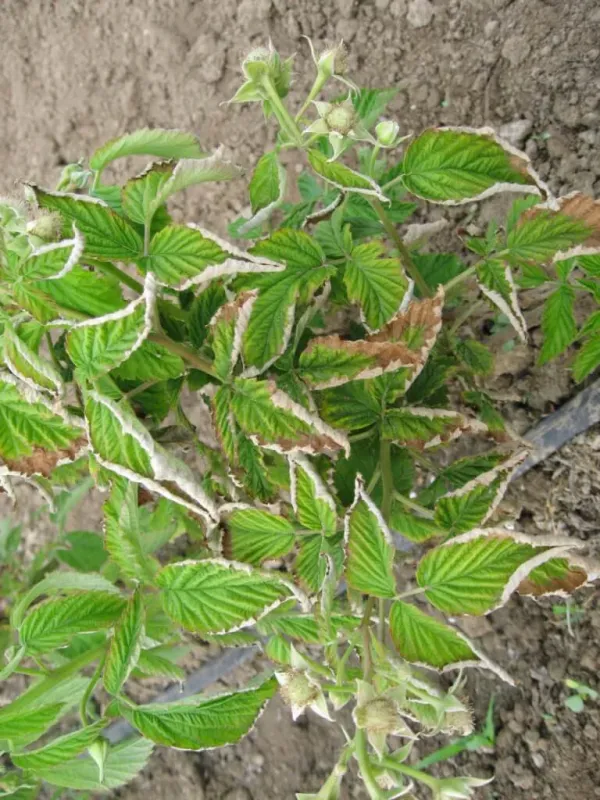
Viral infection symptoms, such as leaf chlorosis, mottling, and severe malformation of leaves, are common indicators that a vector-borne disease may be present.
Plants often display signs of water stress, such as wilting during the hottest parts of the day, even if soil moisture is adequate, due to the compromised root uptake capacity.
Confirming the presence of L. attenuatus requires laboratory extraction and identification from soil and root samples, as visual field signs can be confused with other abiotic or biotic factors.
Control measures
Crop rotation is a fundamental management strategy. Rotating host crops with non-host plants over several seasons can significantly reduce nematode populations in the soil.
Weed management is essential, as various weeds can harbor the nematodes and the viruses they transmit, acting as an inoculum reservoir during periods between crop cycles.
The use of certified, clean planting material is vital to prevent the introduction of the nematode into non-infested fields, which is the most sustainable way to protect a farm.
Chemical nematicides are available but are generally used only as a last resort due to environmental concerns and high costs. They must be applied in strict accordance with local regulations.
- Soil testing for nematode density before sowing.
- Growing trap or antagonistic cover crops to suppress populations.
- Steam sterilization or soil solarization in greenhouses.
Taxonomy
- Latin name
- Longidorus attenuatus
- Order
- Nematodes
- Family
- Longidoridae
- EPPO code
- LONGAT
Discussion
No discussions yet — be the first.