
American dagger nematode
Xiphinema americanum
Description
How to identify
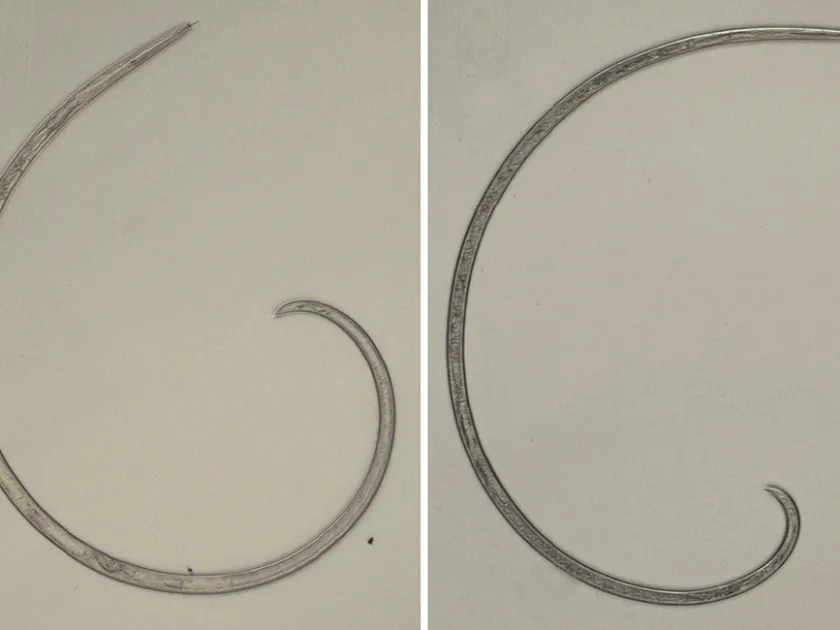
The American dagger nematode (Xiphinema americanum) is a microscopic soil-dwelling pest belonging to the Longidoridae family within the order Dorylaimida.
It is characterized by a long, needle-like stylet used to pierce plant roots to feed on their sap. These nematodes are typically between 1.5 and 2.5 mm in length and have clear, worm-like bodies.
The life cycle involves four juvenile stages and an adult stage, all of which occur within the soil profile, requiring moisture and moderate soil temperatures for optimal activity.
This species is highly mobile in soil and can thrive in various soil types, moving along the root zone of host plants in search of feeding sites.
As a vector, it is notorious for transmitting several economically devastating nepoviruses, such as the tomato ringspot virus and tobacco ringspot virus, to numerous host plants.
What it damages
Xiphinema americanum impacts a vast array of agricultural and ornamental crops, including grapevines, stone fruits, strawberries, and various woody perennials.
By feeding on root tips, the nematode induces cell death, leading to stunted root systems, reduced water uptake, and overall plant decline, particularly in young or stressed plants.
The physical damage caused by the stylet creates open wounds that serve as entry points for secondary fungal and bacterial pathogens, exacerbating the overall damage.
Virus transmission remains the most significant threat, as it causes systemic infections that result in deformed foliage, poor fruit set, and long-term reduction in plantation yield.
In vineyards and orchards, the damage is often cumulative, leading to the gradual loss of productivity over several years as the nematode population expands within the soil.
Signs of infestation
Above-ground symptoms often appear as patchy growth, chlorosis, and wilting during periods of moisture stress, which are frequently mistaken for nutrient deficiencies or drought.
Upon examination, roots show signs of swelling, necrosis at the tips, and a lack of fine feeder roots, which prevents the plant from absorbing necessary nutrients.
Affected fields often display uneven plant development, with stunted individuals scattered or clustered in specific areas corresponding to high nematode density.
Reduced crop quality, characterized by smaller fruits or misshapen produce, is a strong indicator of root damage caused by sedentary or semi-endoparasitic nematodes.
Confirmation of the presence of Xiphinema americanum requires extraction from soil and root samples followed by microscopic analysis to differentiate it from other non-pathogenic nematode species.
Control measures
Management of the American dagger nematode is challenging, as the pest can survive deep in the soil profile, making total eradication difficult with surface-level treatments.
Pre-planting soil fumigation is considered the most effective way to drastically reduce population numbers in heavy infestations before establishing high-value orchards or vineyards.
Cultural practices, such as implementing long-term crop rotation with non-host or antagonistic crops, can help lower the nematode count in the soil over time.
Maintaining strict weed control is essential, as many common weeds serve as reservoir hosts for both the nematode itself and the viruses it carries.
Utilizing clean, nematode-free planting stock is the primary line of defense, preventing the introduction of this pest into previously uninfested fields or agricultural systems.
Taxonomy
- Latin name
- Xiphinema americanum
- Order
- Nematodes
- Family
- Longidoridae
- EPPO code
- XIPHAA
Discussion
No discussions yet — be the first.