
New Zealand subterranean grass caterpillar
Wiseana cervinata
Description
How to identify
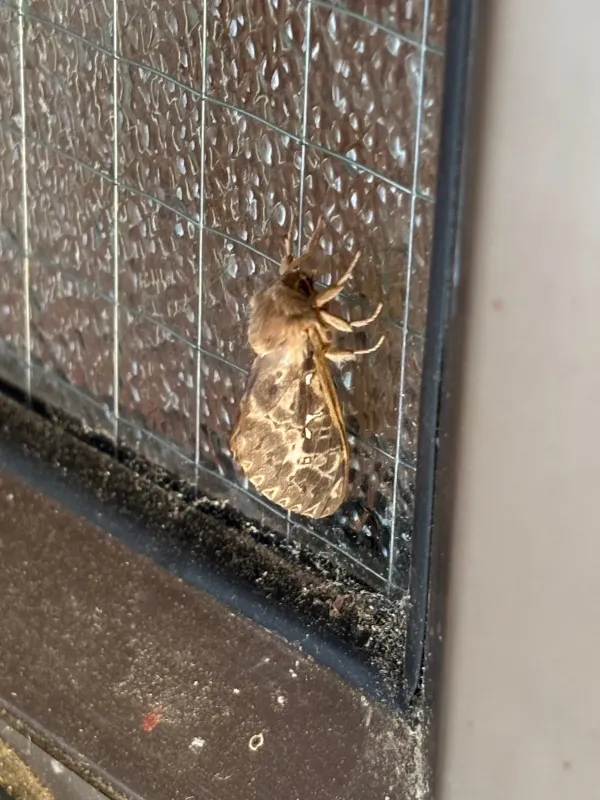
The New Zealand subterranean grass caterpillar (Wiseana cervinata) is a member of the Hepialidae (ghost moth) family. Adults are medium-sized moths with a wingspan of approximately 40–50 mm, featuring mottled brown or grey coloration for camouflage.
The life cycle is strictly annual. Moths emerge in summer and, while in flight, females scatter eggs randomly over the pasture. These eggs drop directly into the soil, where they incubate and eventually hatch into larvae.
Larvae develop throughout the autumn and winter, constructing vertical silk-lined burrows in the soil. These tunnels serve as protected shelters from which they emerge to feed on the surface at night.
Pupation occurs within the soil burrows during the spring. This stage is relatively protected, allowing the insect to survive variable weather conditions until the adult moth emerges to repeat the cycle.
Identification in the field is challenging due to the caterpillar's nocturnal and subterranean habits. They are typically identified by the damage left behind or by disturbing the soil to reveal their characteristic burrows.
What it damages
The larvae are primarily root and crown feeders. They show a strong preference for pasture grasses, particularly ryegrass and clover, which are essential for livestock feed.
Older larvae are responsible for the most severe damage. They use their mandibles to sever the roots of the plants, effectively killing the plant by cutting off nutrient and water intake.
Damage usually appears in patches. As larvae feed, they destroy the turf, leaving behind bare soil patches that reduce the overall biomass and nutritional capacity of the pasture.
Weakened plants are susceptible to secondary pathogens and fungal diseases that enter through the damaged root system, compounding the impact of the pest on the pasture health.
High infestations can lead to total pasture destruction. In severe cases, 80–90% of the grass cover may be lost, necessitating expensive reseeding and significant loss of forage availability.
When it appears
Adult flights generally occur during the summer months, typically from October to December. This period is critical as it marks the beginning of the annual infestation cycle via egg-laying.
Larval growth begins in early autumn. As temperatures drop during winter, the growth rate of the larvae slows, but they remain active and continue to feed unless extreme cold persists.
Spring represents the peak of larval feeding intensity. During this time, the larvae reach their final instars and consume the largest amount of plant material to prepare for pupation.
The transition to the pupal stage occurs in late spring. This marks the end of the damaging phase for the current year's generation, leading into the emergence of the next set of adults.
Understanding these seasonal milestones is vital for management. Timing interventions based on the larval age and the moth flight period is the only way to achieve effective control.
Signs of infestation
The first signs of infestation are dead or yellowing patches of grass that appear during the growth season, often mistaken for drought stress despite adequate moisture.
Close inspection of the soil surface reveals small, round entry holes to the larval burrows. Small piles of granular waste (frass) may be found near the burrow entrances.
The turf in the affected area often separates easily from the soil. If pulled, the plants come away with severed or heavily gnawed roots, confirming subterranean larval activity.
An increased presence of insectivorous birds, such as gulls or starlings, digging in the pasture is a strong indicator of a high population of caterpillars beneath the soil surface.
Excavating a small section of the soil to a depth of 10–15 cm will usually reveal the larvae themselves, which are typically greyish or beige with a darker head capsule.
Control measures
Biological control is a primary management strategy. The use of entomopathogenic fungi, such as Beauveria bassiana or Metarhizium anisopliae, has shown effectiveness in reducing larval populations in soil.
Cultural management includes intensive grazing during the peak moth flight period. Heavy stock hoof action can compact the soil, potentially crushing eggs and making it difficult for the larvae to establish.
Chemical control is generally reserved for severe outbreaks where pasture loss is imminent. Products must be applied precisely at the right time in the larval cycle to be effective.
Pasture renovation and the use of pest-resistant grass varieties can help reduce the suitability of the environment for the moth. Maintaining a healthy, diverse sward can mitigate the impact.
Monitoring moth population density using light traps during the summer flight season helps farmers predict potential infestation levels and plan necessary management interventions in advance.
Taxonomy
- Latin name
- Wiseana cervinata
- Order
- Lepidoptera (butterflies)
- Family
- Hepialidae
- EPPO code
- WISECE
Discussion
No discussions yet — be the first.