
Dalaca
Dalaca
Description
How to identify
The genus Dalaca belongs to the Hepialidae family, commonly known as ghost moths. These insects are characterized by a cryptic, subterranean larval stage that makes them a challenging pest for farmers to detect and control.
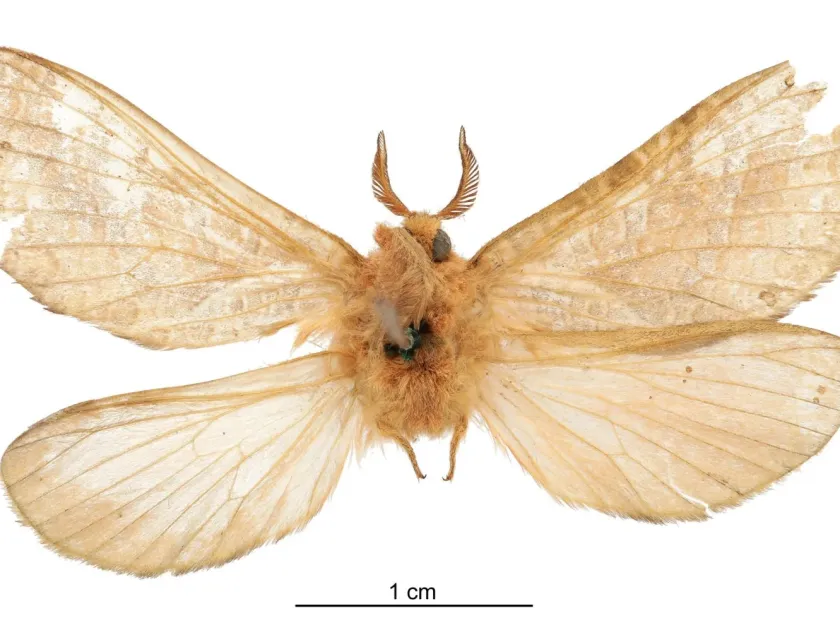
Adult moths of the Dalaca genus are generally nocturnal, with varying wing patterns that provide excellent camouflage. However, it is the larval stage that causes significant damage to agricultural productivity.
The larvae are typically cylindrical, featuring a sclerotized head capsule that allows them to chew through robust plant tissues. They have evolved to live almost entirely within the soil profile, moving between root systems.
Species within this genus are particularly well-documented in the Southern Hemisphere. They are adapted to various soil types, and their presence is often overlooked until significant crop loss has already occurred.
Scientific identification of Dalaca species often relies on morphological examination of the adult genitalia or DNA barcoding, as the larvae share similar traits across many species in the family.
What it damages
Dalaca larvae are primarily root feeders. They target the underground structures of cereals, grasses, and occasionally vegetable crops, severing the vascular connections of the plant.
This damage results in the rapid wilting and death of the plant, as it loses its ability to absorb water and nutrients from the soil. Seedlings are particularly vulnerable and can be destroyed before they become established.
In mature crops, high larval populations can lead to patchiness in the field. These patches often expand as the larvae continue their cycle, leading to uneven crop stands and significant reductions in harvest yields.
The pest often moves from wild grasses or pastures into adjacent cultivated fields. Once established, they can persist in the soil for several growth seasons if the field conditions remain favorable.
The economic impact is compounded by the fact that damage is hidden. By the time surface symptoms such as yellowing and stunting become visible, the root system is often already extensively compromised.
When it appears
The life cycle of Dalaca is strictly synchronized with seasonal environmental conditions. Adults emerge in the summer months to mate and deposit eggs on the soil surface or near base vegetation.
The larvae hatch and burrow into the soil, where they spend the majority of their development. Depending on the species, they may overwinter as larvae in the soil at various depths to escape harsh winter temperatures.
Increased soil moisture and moderate temperatures in the spring trigger a surge in larval feeding activity. This period coincides with the germination and early growth of most cereal crops, making it a critical time for monitoring.
Light traps can be utilized during the adult flight season to monitor population levels and predict potential larval pressure for the upcoming season.
Seasonal weather patterns, specifically prolonged drought or flooding, can impact the survival rates of the larvae, though they are generally resilient due to their ability to inhabit deep soil layers.
Signs of infestation
The first indicator of a Dalaca infestation is usually the presence of wilted or dead patches in the crop. Unlike diseases, these patches typically show clear signs of external feeding or severing of the main root.
When investigating, soil around the damaged plants often contains larval frass and tunnels. These signs, combined with the absence of root hair or secondary roots, confirm the presence of subterranean larvae.
A thinning stand, where plants are easily pulled from the soil, is a strong indicator of root damage. This is particularly noticeable in fields that have been recently converted from pastures or fallow lands.
Monitoring wild grasses in fence lines or nearby areas can help identify the pest's presence before it migrates into the main production field.
Observation of nocturnal activity, such as larvae appearing on the surface after heavy rain, can provide immediate confirmation of a high population density in the area.
Control measures
Deep cultivation is the most effective cultural control method. Turning the soil exposes the larvae to desiccation and predation by birds or beneficial insects, significantly reducing their population density.
Implementing a rigorous crop rotation strategy is essential for breaking the Dalaca life cycle. Avoiding planting cereals directly after susceptible forage crops is a recommended practice.
Chemical control, when necessary, involves the use of soil-applied insecticides during the sowing process. These treatments are most effective when applied based on threshold monitoring to prevent unnecessary chemical use.
Strict weed management, particularly focusing on the removal of perennial grasses, is crucial. These plants serve as a primary refuge for the larvae during the inter-crop period.
Biological control methods, such as the use of entomopathogenic nematodes or fungi, are increasingly utilized. These solutions offer a targeted approach that reduces the negative impact on non-target beneficial organisms in the soil ecosystem.
Taxonomy
- Latin name
- Dalaca
- Order
- Lepidoptera (butterflies)
- Family
- Hepialidae
- EPPO code
- DALASP
Discussion
No discussions yet — be the first.