
Chinese ghost moth
Endoclita sinensis
Description
How to identify
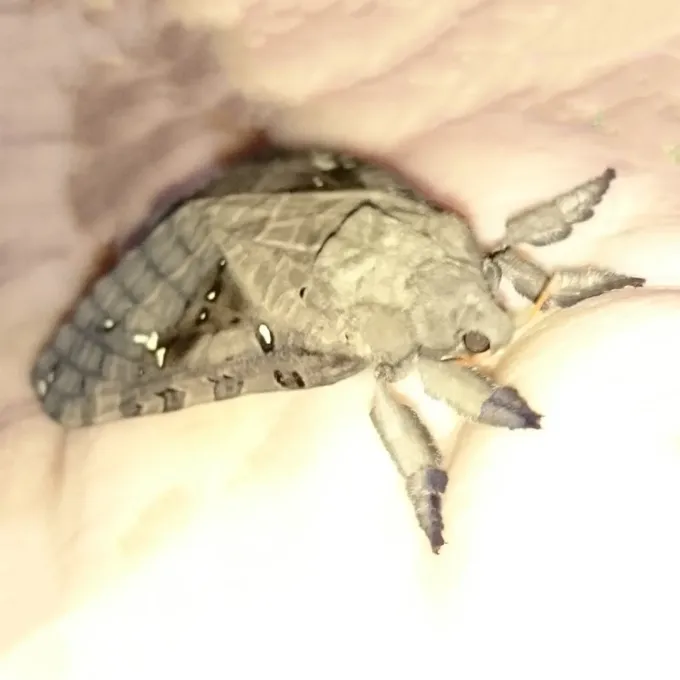
The Chinese ghost moth (Endoclita sinensis) is a member of the Hepialidae family, also known as ghost moths or swift moths. It is a wood-boring insect that causes significant damage to trees.
Adult moths are generally nocturnal and possess cryptic coloration that allows them to blend into the bark of trees during the day, making them very difficult to spot.
The larvae are specialized wood-borers with strong, dark head capsules and sturdy bodies capable of carving intricate tunnels into the hardwood of various tree species.
The life cycle involves a lengthy larval stage, where the insect lives almost entirely within the tree's xylem, protected from most environmental threats.
Proper identification of the pest is crucial for effective management, as other wood-borers may produce similar symptoms in the orchard or forest ecosystem.
What it damages
This pest primarily attacks a variety of broadleaf trees, showing a particular preference for fruit trees like apples, pears, and citrus species in many regions.
Larvae bore deep into the trunks and branches, disrupting the flow of water and nutrients, which severely stresses the host tree over time.
The internal tunneling weakens the structural integrity of the branches, making them prone to snapping under heavy loads or strong winds.
Severe infestations can lead to the decline of the tree's health, characterized by reduced fruit yield, sparse foliage, and potential mortality in young trees.
The damage caused by these insects also serves as an entry point for secondary pathogens, such as fungi and bacteria, which can accelerate tree decay.
When it appears
Adult flight activity typically occurs during warmer seasons when environmental conditions are optimal for mating and oviposition on the host trees.
Larvae are active throughout the growing season, continuing to feed on the woody tissue and expanding their tunnel systems deep within the stems.
Overwintering occurs in the larval stage, allowing the insect to survive harsh winter temperatures tucked away inside the protective wood of the host.
The spring renewal of sap flow triggers increased larval activity, which is often visible as fresh frass being pushed out of the entry holes.
Generation time can vary based on regional climate, but in many areas, the pest completes its development within one to two years per cycle.
Signs of infestation
The most visible indicator of an infestation is the accumulation of frass (larval excrement and wood shavings) found near the base of the trunk or on the branch crotches.
Small, irregular holes on the surface of the bark, sometimes oozing sap or showing stained wood, are definitive markers of active larval tunneling.
Affected branches often exhibit symptoms of localized wilting or chlorosis because the internal vascular system is being compromised by the larvae.
- Accumulations of sawdust-like material beneath infested branches.
- Cracked or peeling bark around the larval entry sites.
- Premature leaf drop and dieback in individual sections of the tree crown.
Careful inspection of the trunk often reveals protective silk webs or wooden caps used by the larvae to shield their tunnel entrances.
Control measures
Sanitation is the first line of defense; pruning and destroying heavily infested branches significantly reduces the local population of the pest.
For valuable individual trees, injecting authorized insecticides directly into the larval tunnels and sealing the holes can effectively eliminate the borer.
Maintaining tree vigor through proper irrigation, fertilization, and site management helps trees develop natural defenses against borer colonization.
Monitoring the flight of adult moths using pheromone traps can help time the application of insecticides to coincide with the egg-laying period.
Regular visual inspections of orchards, especially during the spring and late summer, are essential for early detection and intervention to avoid long-term tree damage.
Taxonomy
- Latin name
- Endoclita sinensis
- Order
- Lepidoptera (butterflies)
- Family
- Hepialidae
- EPPO code
- ENDLSI
Discussion
No discussions yet — be the first.