
Urocyclus slug
Urocyclus
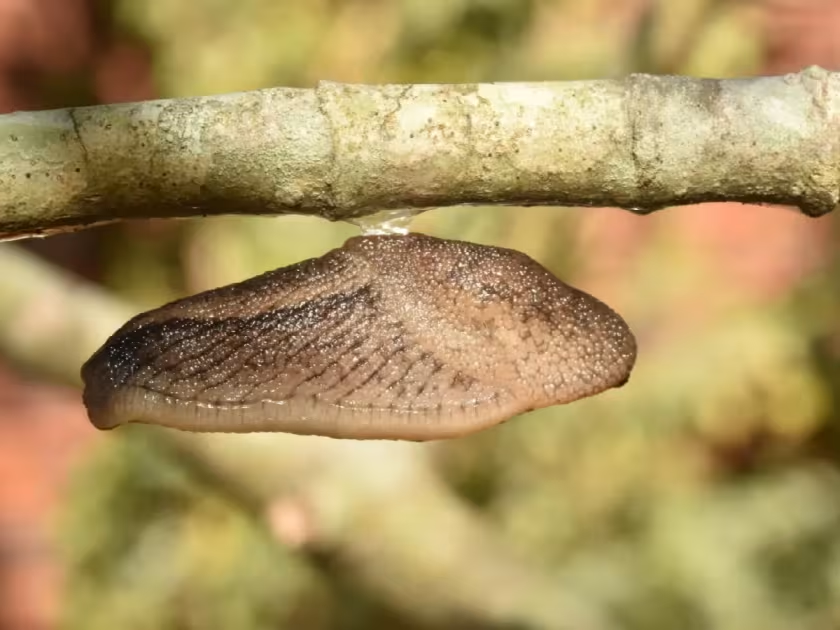
Description
How to identify
The Urocyclus slug belongs to the Urocyclidae family within the Stylommatophora order. These gastropods are recognized by a vestigial internal shell hidden beneath the mantle in the posterior part of the body. They are generally elongated and possess a highly flexible body structure.
This species is highly adapted to humid environments, using a mucus-secreting mechanism that prevents desiccation. This mucus also serves as a protective layer and a trail for movement, which is primarily nocturnal to avoid high temperatures.
Adult specimens typically reach lengths of 5 to 7 centimeters. Their sensory organs, including well-developed tentacles, allow them to detect food sources and navigate complex environments like dense vegetation or dense garden soil.
The biological cycle of Urocyclus is deeply dependent on environmental moisture. During the day, they seek refuge in damp, shady areas such as under stones, leaf litter, or deep within the soil surface to maintain their physiological balance.
Reproduction is achieved by laying eggs in moist substrates. These eggs are protected by a resistant outer membrane that allows them to withstand various environmental stresses, ensuring the population's survival throughout the growing season.
What it damages
This pest affects a wide range of vegetable and ornamental crops. It frequently targets cabbage, lettuce, herbs, and young seedlings of fruits and flowers, consuming leaves and causing significant structural damage.
In greenhouses, Urocyclus poses a serious threat to tomatoes, cucumbers, and peppers. By boring holes into the fruits, they ruin the aesthetic and commercial quality and introduce secondary pathogens like bacteria and molds.
Young, fragile plants are especially susceptible; the slug can consume the stems at the soil level, leading to rapid wilting and the total loss of the plant. This creates gaps in plantings and impacts overall yield productivity.
The damage pattern is characterized by irregular holes in the middle of leaf blades or ragged edges, as they often leave behind the major veins, resulting in a skeletonized appearance of the affected foliage.
Berries and soft-skinned produce are also at risk. The slugs leave behind fecal matter and thick, dried mucus trails, making the remaining produce unmarketable and susceptible to rapid post-harvest decay.
Signs of infestation
The most prominent sign of Urocyclus activity is the presence of shiny, silvery mucus trails found on leaves, soil surfaces, and around the base of plants. These trails are most visible in the early morning.
Plants showing irregular, ragged holes in their foliage without any obvious insect presence are classic symptoms. Careful inspection of the underside of leaves or nearby soil debris often reveals the pest itself.
Signs of root and tuber damage, particularly in root vegetables like carrots or radishes, present as shallow, moist craters covered in slime residue, confirming the presence of these gastropods.
Unexpected wilting of seedlings without signs of fungal root rot often suggests night-time feeding by slugs on the base of the stem, which disrupts the vascular integrity of the young plant.
The presence of moisture-retaining garden debris, thick mulch, or dense weed populations near crops often correlates directly with the density and activity of these slug populations.
Control measures
Cultural control is the first line of defense: keeping garden beds free of weeds and removing excessive organic debris eliminates the essential hiding spots and shelters for these mollusks during the day.
Physical barriers such as coarse grit, ash, or lime around the perimeter of garden beds can be effective. These materials create a rough, irritating surface that slugs find difficult to cross, thus protecting individual plants.
Encouraging natural predators is highly recommended. Frogs, toads, beetles, and birds are natural enemies that can significantly reduce the slug population density in a balanced garden ecosystem.
Setting up simple traps, such as beer containers or wet burlap sacks, is a very effective low-cost method. Slugs are attracted to these environments at night and can be manually collected and removed in the morning.
Chemical control using ferric phosphate baits is the modern standard for safety. These baits attract the slugs, and upon ingestion, they cause the pests to stop feeding and die, while remaining safe for pets and wildlife.
Taxonomy
- Latin name
- Urocyclus
- Order
- Molluscs
- Family
- Urocyclidae
- EPPO code
- UROYSP
Discussion
No discussions yet — be the first.